Exhibitions / Jim Thompson Art Center
EN THLiving in an Elastic Time (ชีวิต เวลา ยืดหยุ่น)
Curated by Gridthiya Gaweewong and Angkrit Ajchariyasophon
Featuring Artists: all(zone), DonMooDin, Foundisan, Studio Mueja, Jarupatcha Achavasmit, Emsophian Benjametha, Sita Inyai, Mit Jai Inn, Preecha Karoon, Sang Luesuwan x Kamchan Yano, Thanwitcha Muenchamnan, Kusofiyah Nibuesa, Jakrawal Nilthamrong, Thanistha Nunthapojn, Somluk Pantiboon, Wit Pimkanchanapong, Sirisak Saengow, Pinaree Sanpitak, Pim Sudhikam, Nithee Suthammaruk, Rudee Tancharoen, Chalan Thawornnukulphong, Songdej Thipthong, Rirkrit Tiravanija x Grandma Baeng Sonmai, Ploenchan Vinyaratn, Kris Yensudchai
Living in an Elastic Time was originally conceived as the Thailand Pavilion exhibition for the invited country at the Cheongju Craft Biennale, South Korea, in September 2025. Its presentation in Bangkok is not a replication but a contextual rearticulation, shaped in dialogue with the history and ethos of the Jim Thompson House Museum and the Art Center. Framing craft as a social practice, the exhibition considers how time in Thailand and Southeast Asia is understood not as linear or industrial, but as elastic—cyclical, layered, and grounded in ritual, labor, and communal continuity. Artisans and contemporary artists work across generations, mediating between inherited techniques and the urgencies of modern life. Craft thus becomes both contemplative and resistant, asserting slower, relational ways of resisting social acceleration, commodification, and cultural erasure.
This exhibition examines the porous boundaries between traditional Thai craft and contemporary art within a rapidly transforming world. While modernist frameworks have long separated craft from fine art, creative traditions across Southeast Asia reveal a more fluid continuum—one that interweaves history, spirituality, preservation, reclamation, and experimentation, even where such continuities have been disrupted. In this context, craft is understood not merely as the production of functional objects but as a form of social practice that sustains cultural transmission, collective memory, philosophical reflection, and acts of resistance.
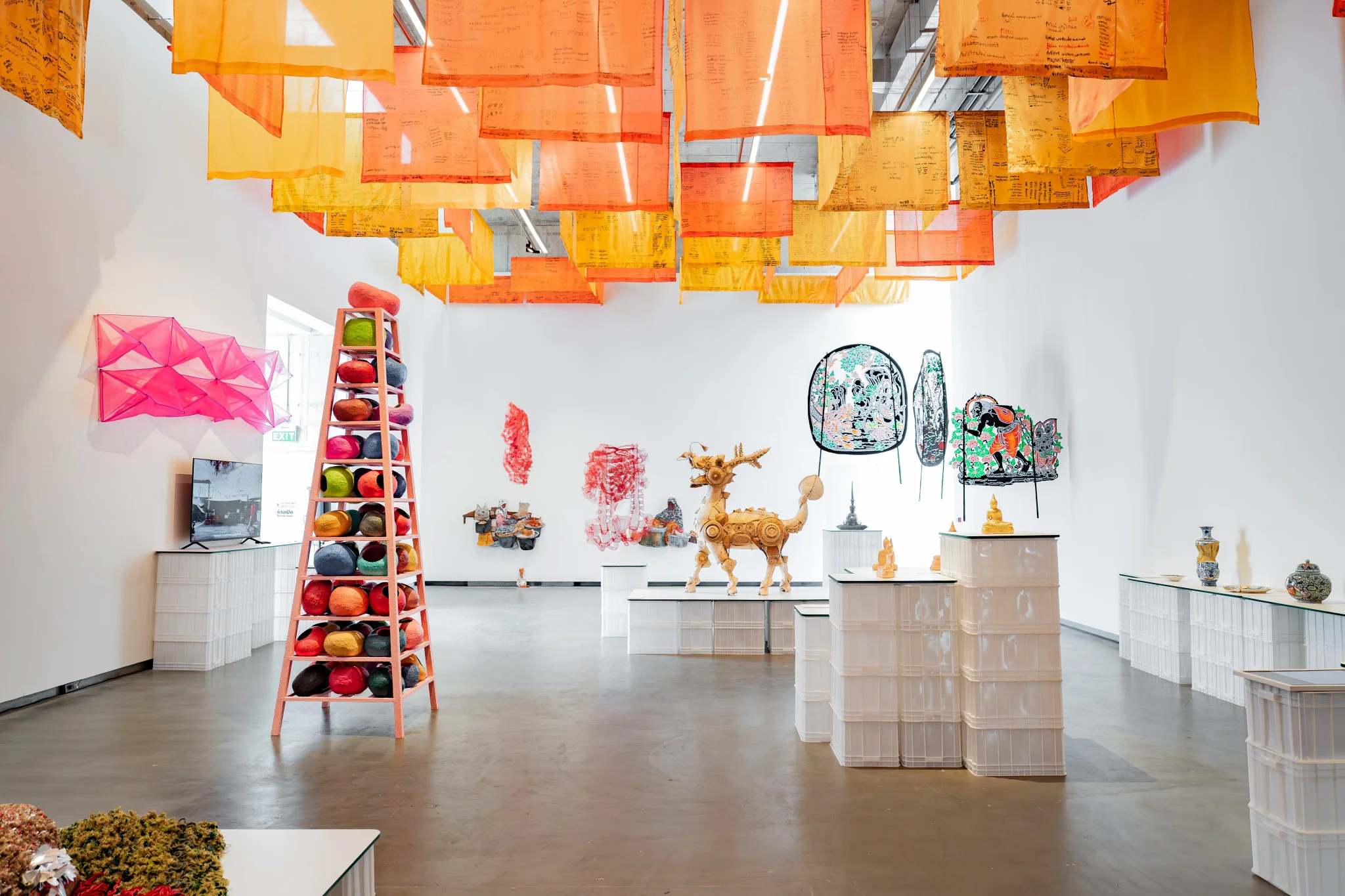
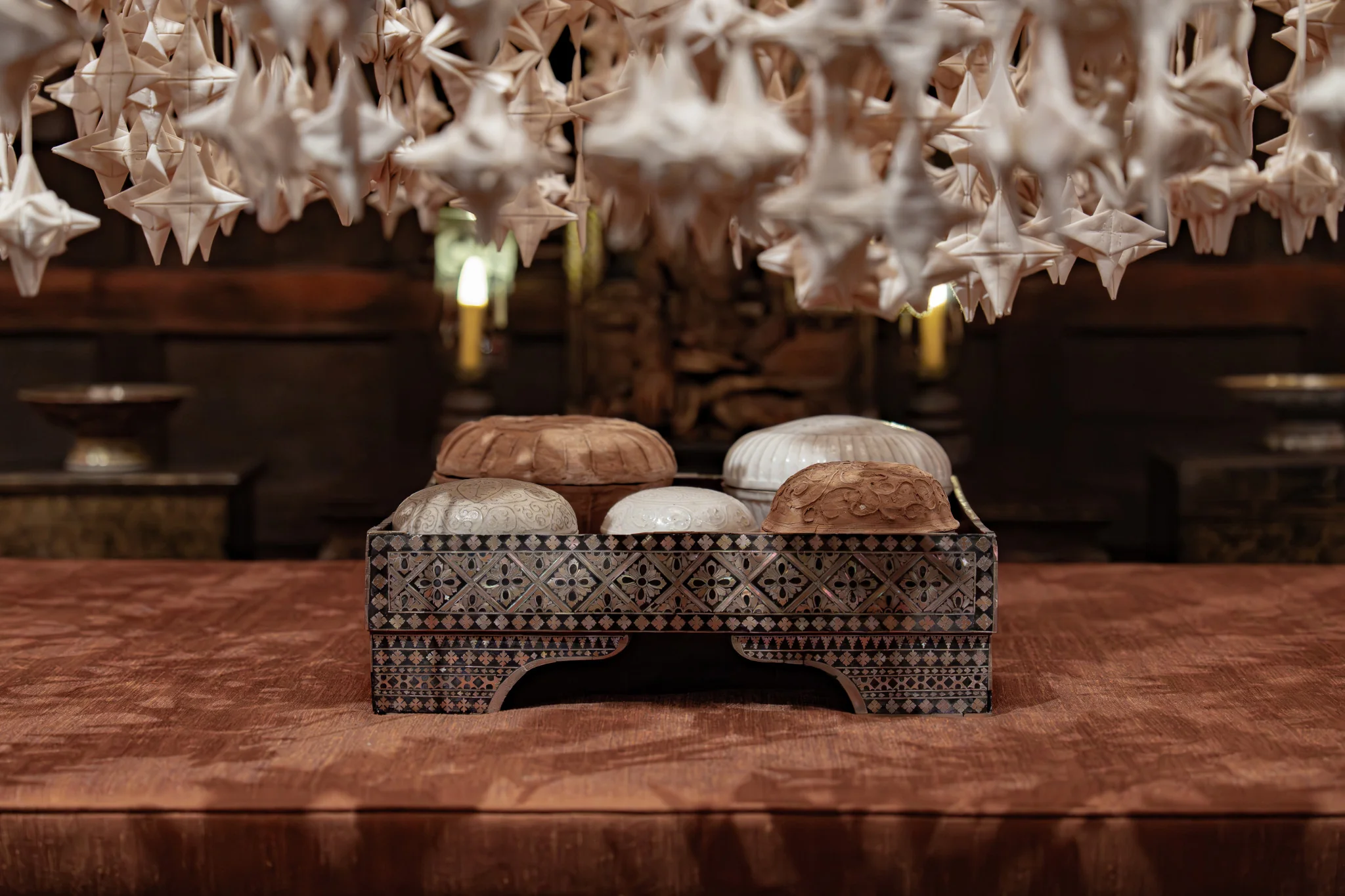
Installation view of Living in an Elastic Time, 2026, at the Jim Thompson Art Center, Gallery 1. Photo credit: Marisa Srijanpleang.
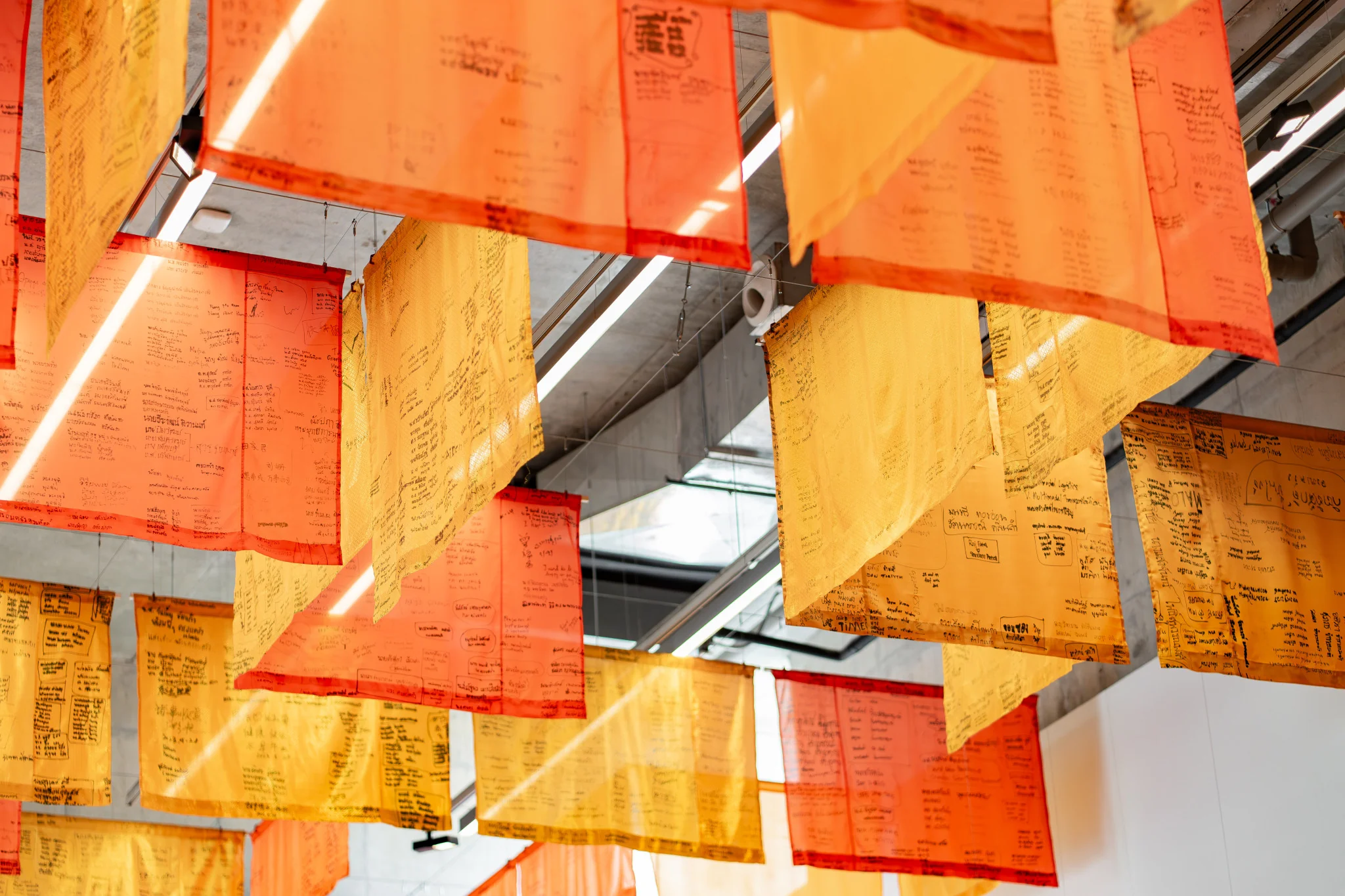
Organized through three interwoven sections, the exhibition moves from traditional practices to contemporary forms of making, unfolding across the Jim Thompson Art Center, the historic house museum, and its surrounding garden. The first section centers on the idea of Creating Without a Time Limit, highlighting the durational processes through which master artisans sustain ancestral techniques—wood carving, weaving, bronze casting, puppetry, textiles, and ceramics. Contemporary artists extend these lineages, including Wit Pimkanchanapong’s large-scale labyrinth inspired by the Vessantara Jataka. The works emphasize the slow accumulation of skill, the intimacy of material engagement, and the spiritual resonance found in repetition.
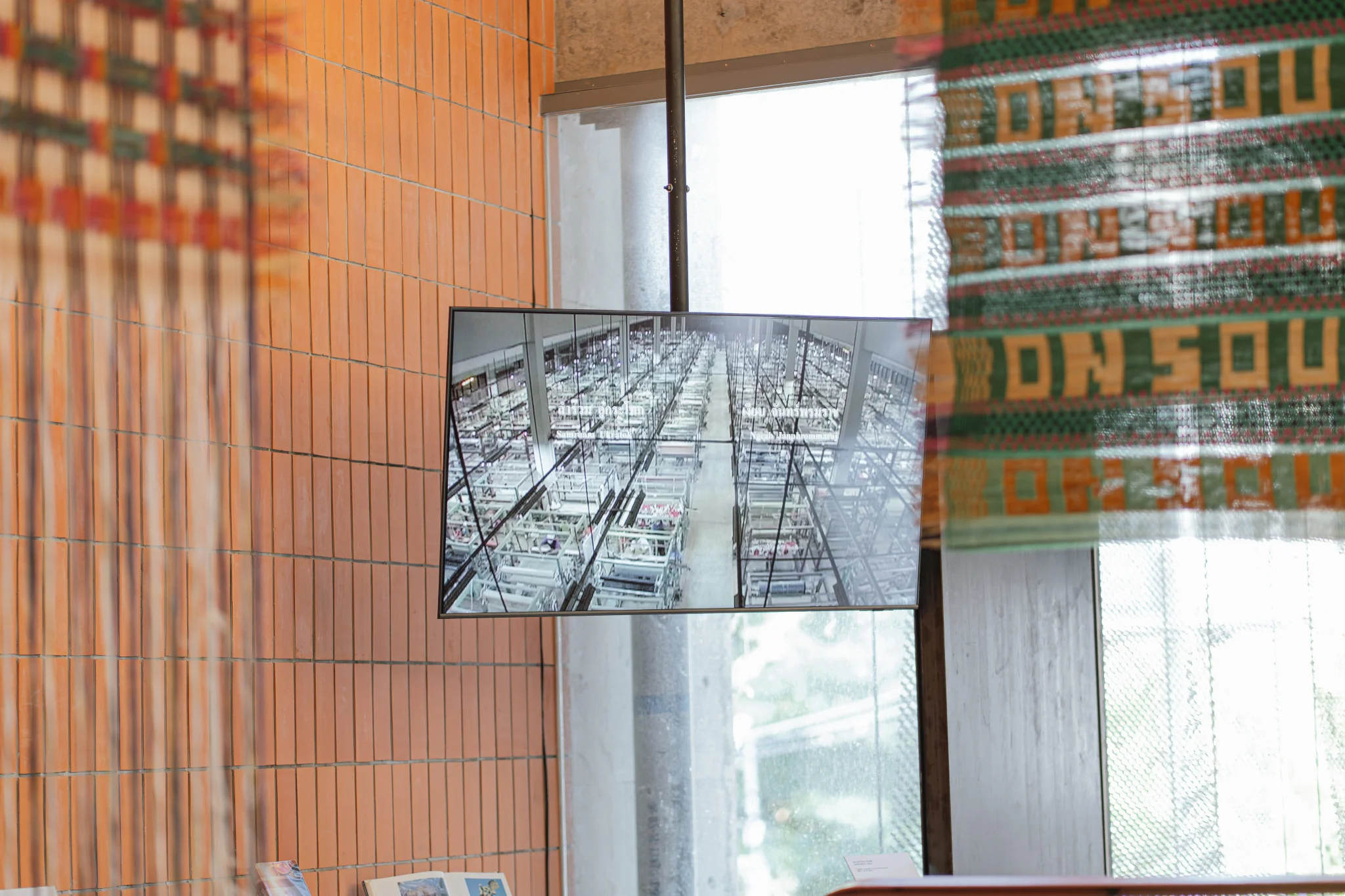
The second section, Techno Craft, reveals the coexistence of overlapping temporalities by reinterpreting craft traditions through contemporary technologies. Artists and designers integrate digital processes with inherited techniques to produce hybrid forms that respond simultaneously to innovation and loss. Presented within and around the labyrinth, these works revisit textile traditions through film, design, and material experimentation. Craft thus becomes a platform for memory, adaptation, and material reimagining.
The third section, Time Is the True Home of the Mind, brings together artists whose practices inhabit liminal temporalities shaped by meditation, imagination, and ecological awareness. Installed partly as a living-room environment, the display underscores craft’s functional and intimate dimensions. Together, these works reveal how art and craft coexist in Thailand, sustaining cultural knowledge while challenging hierarchies that have historically marginalized artisanal practices.
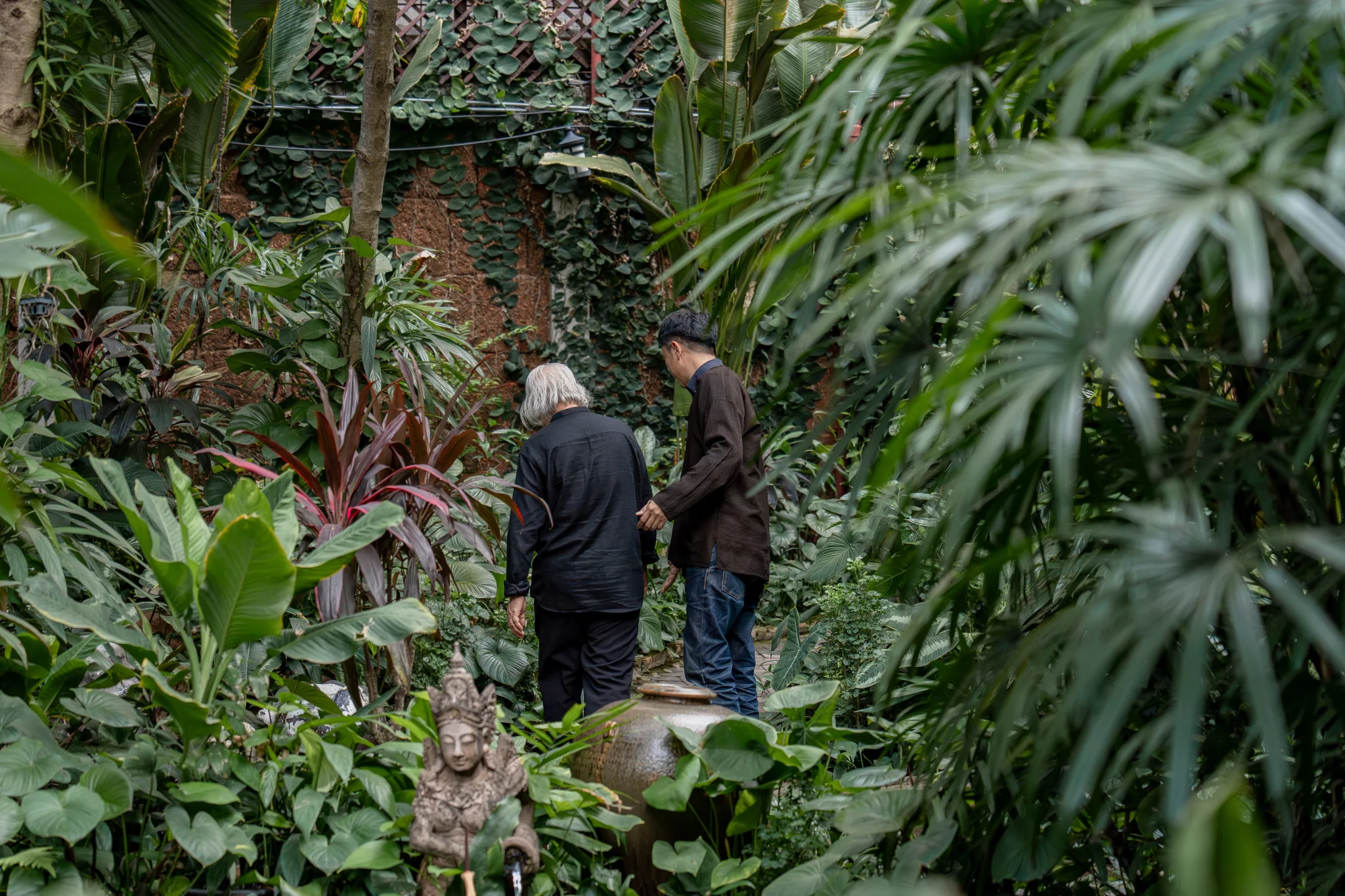
Extending the legacy of Jim Thompson and his fascination with craft tradition and innovation, works by contemporary artists and artisans are installed throughout the Jim Thompson House Museum and its lush garden. This reinterpretation positions Living in an Elastic Time as a meditation on how time shapes memory, labor, and identity. Through cross-generational collaborations, the exhibition invites audiences to consider what it means to dwell within, stretch across, or resist time, while reflecting on the fragility and resilience of tradition amid rapid social transformation—offering craft as both anchor and bridge in an age of flux.
This exhibition is partially supported by the Contemporary Art Promotion Fund, Office of Contemporary Art, Ministry of Culture, Thailand, Cheongju Craft Biennale, 2025, and the James H.W. Thompson Foundation, Bangkok. Special thanks to DC Collection, La Lanta Fine Art, and paper from KOZO Studio.
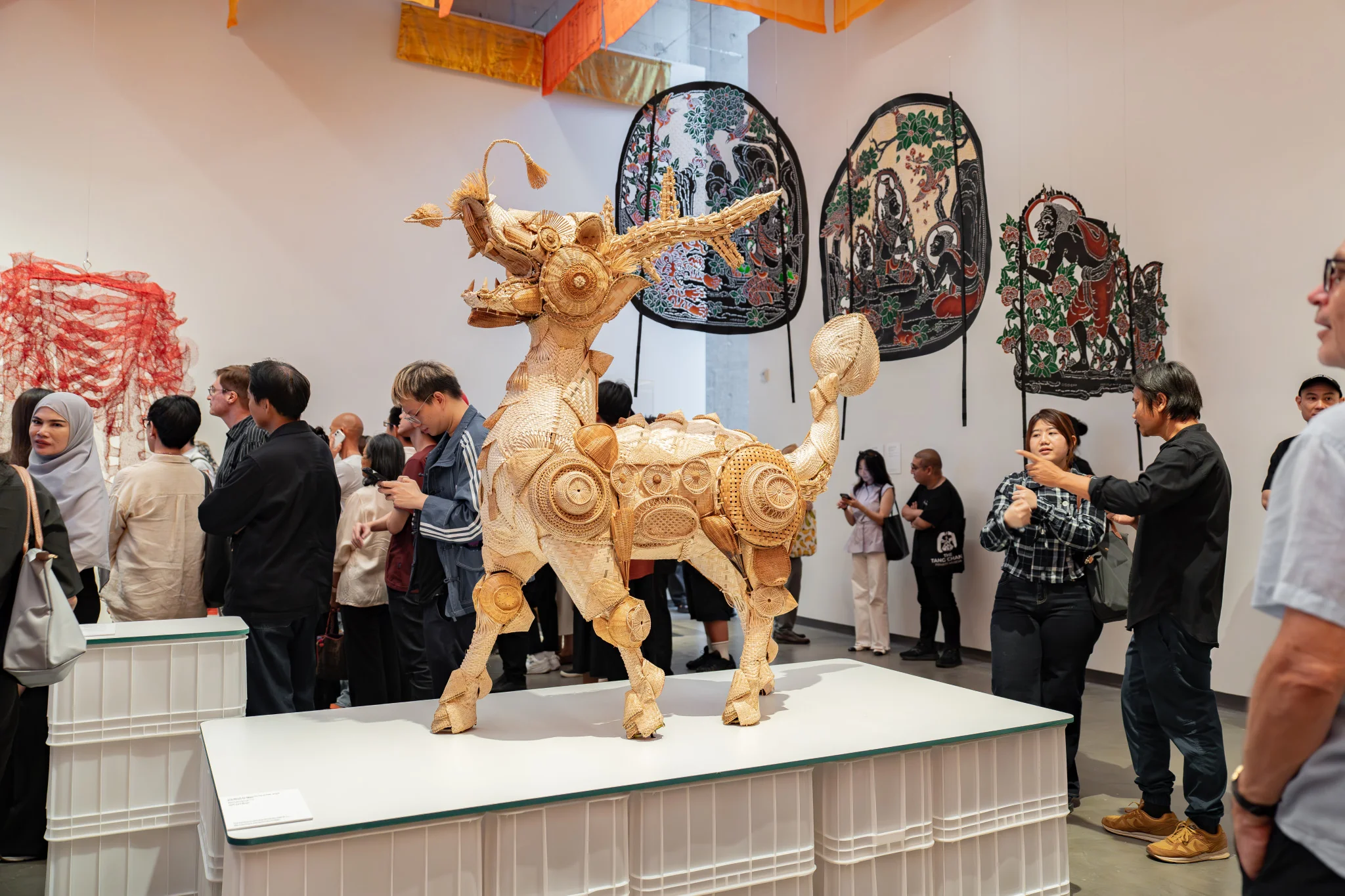
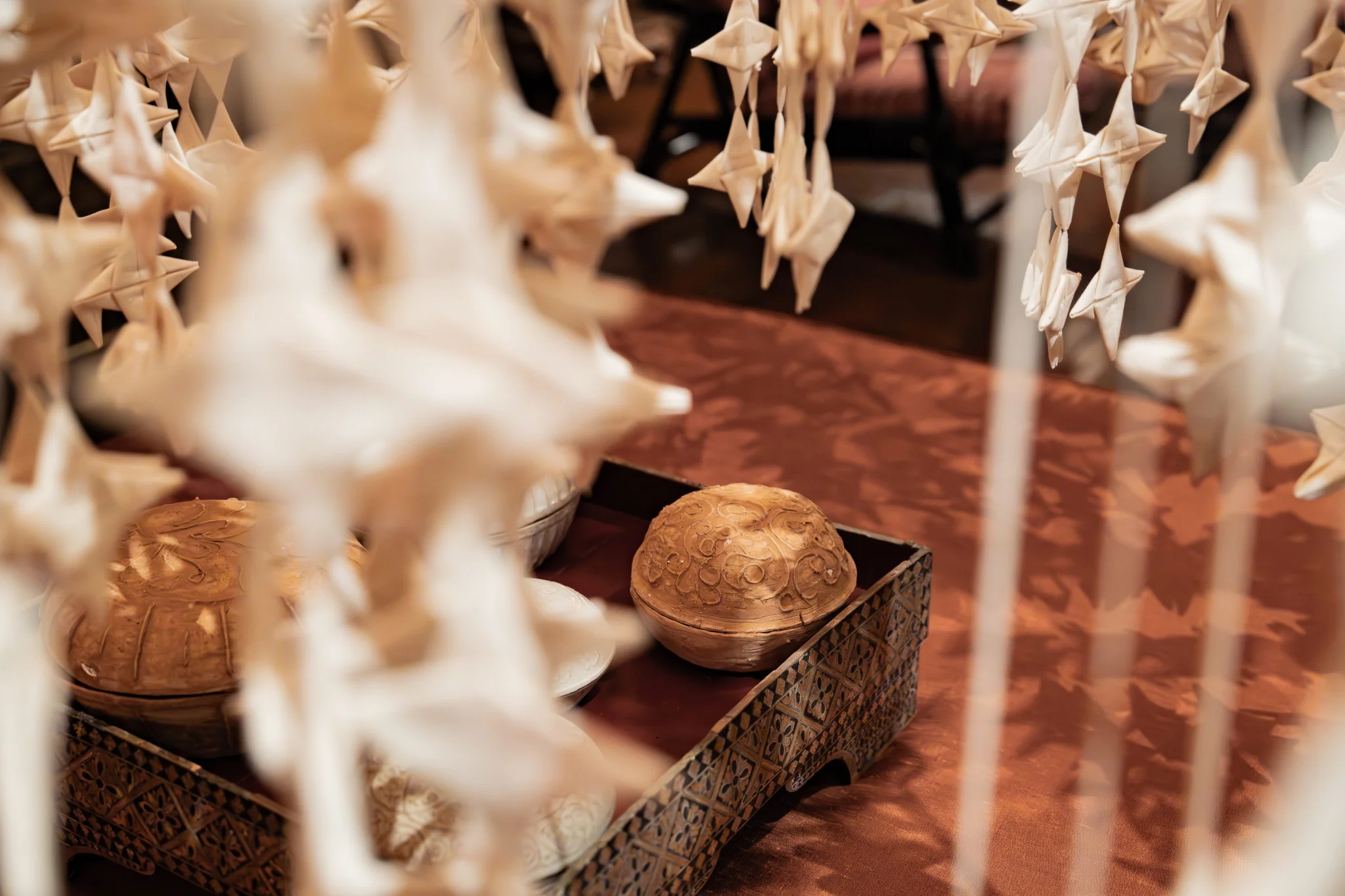
Installation view of Living in an Elastic Time, 2026, at the Jim Thompson Art Center, Gallery 1. Photo credit: Marisa Srijanpleang.
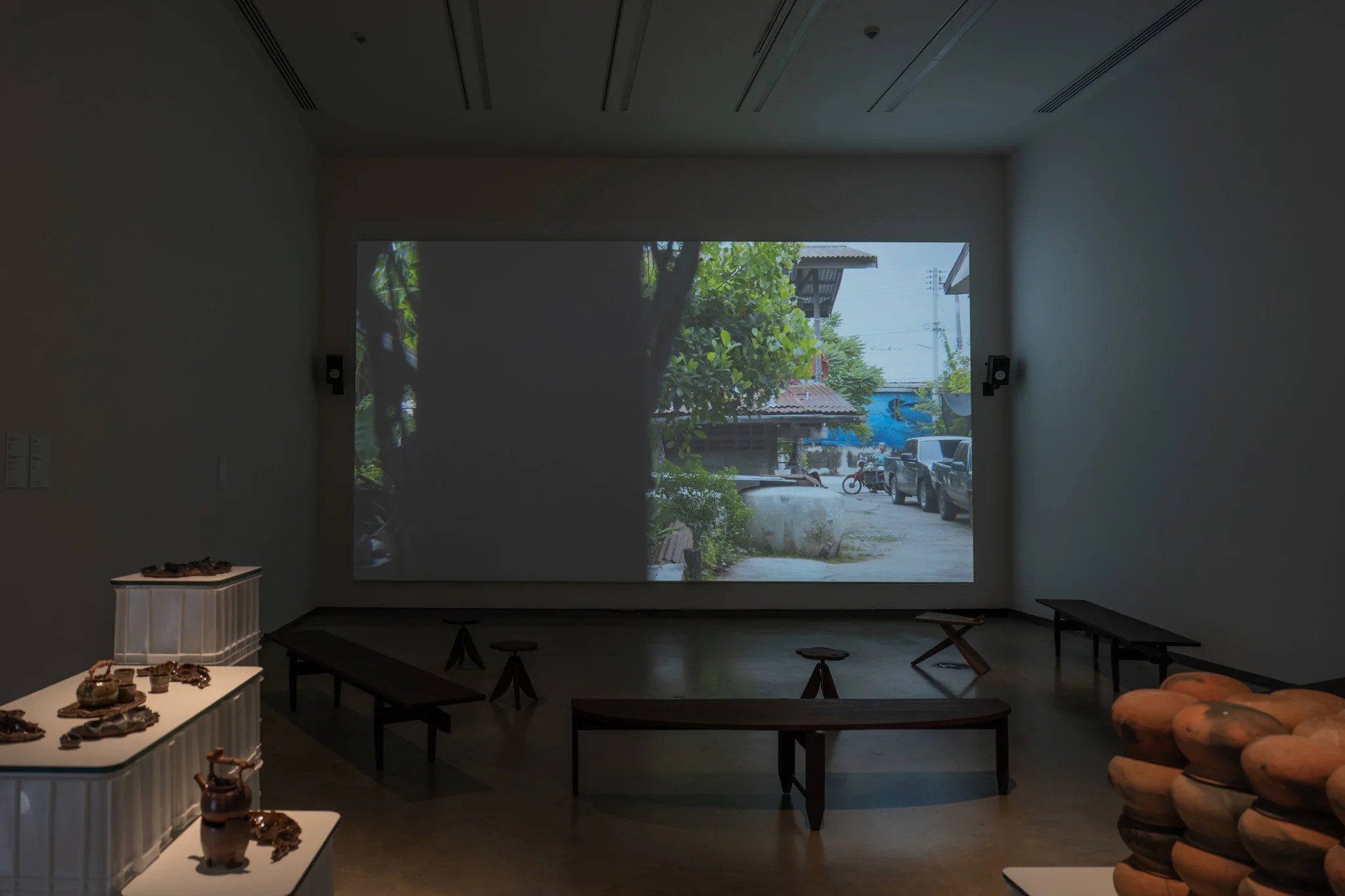
Installation view of Living in an Elastic Time, 2026, at the Jim Thompson Art Center, Gallery 2. Photo credit: Marisa Srijanpleang.
Gallery 2
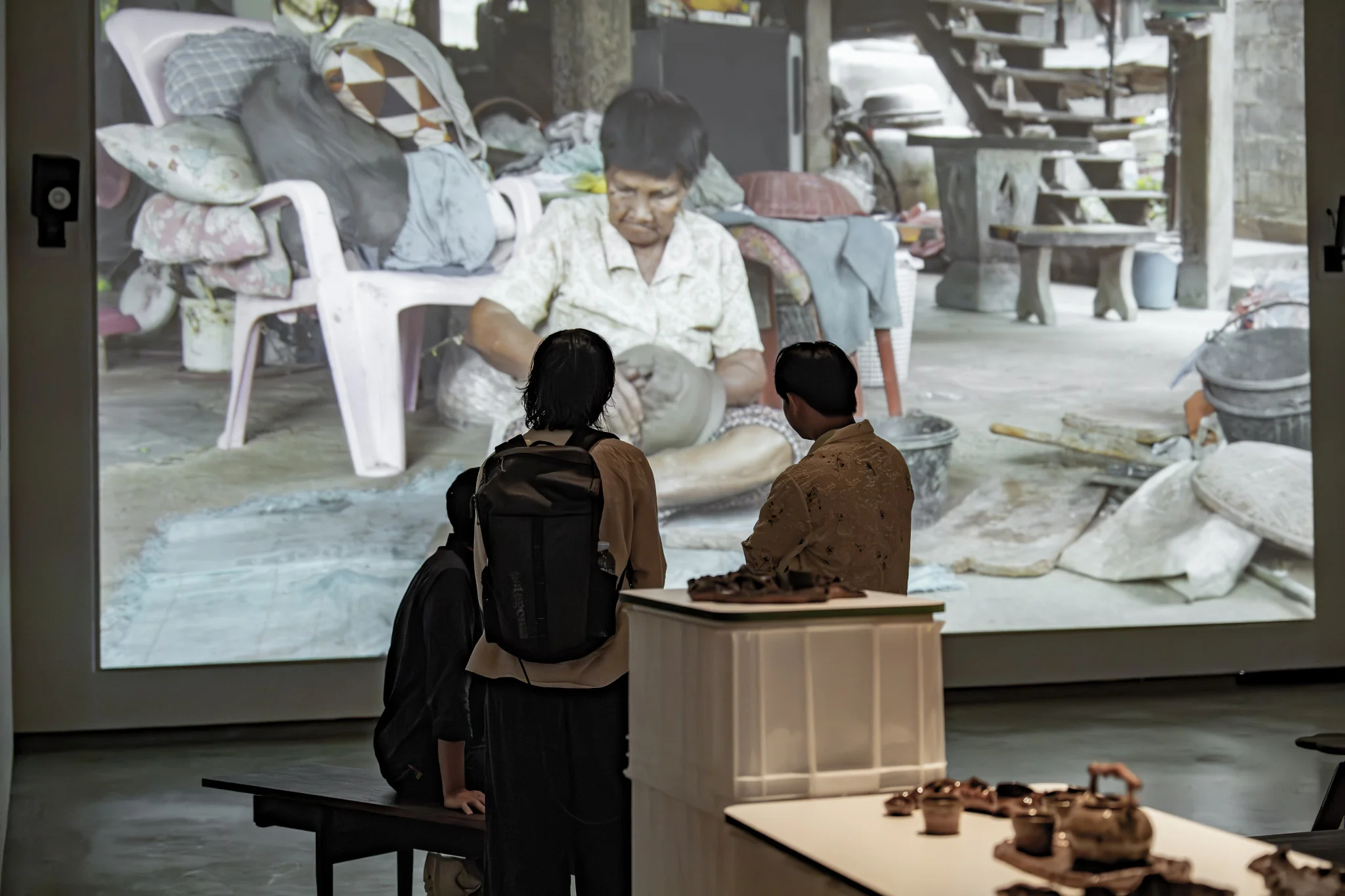
This chapter unfolds as an intimate constellation within Living in an Elastic Time, designed by Rirkrit Tiravanija around his new film on Grandma Baeng, a 90-year-old potter from Korat whom he encountered at Jim Thompson Farm. Centered on her life and practice, the space reflects time as lived experience—slow, repetitive, and deeply embedded in memory, labor, and place.
Taking the film as its point of departure, the gallery brings together ceramic artists and artisans from across Thailand, including his collaboration with Grandma Baeng Sonmai; Donmoodin, a Sakon Nakhon–based ceramic artist working with clay from her village to create narrative forms; Sirisak Saengow, whose ceramics draw from everyday studio objects as traces of memory during COVID; and Studio Mueja, an architect-turned-maker producing handcrafted furniture in Chiang Mai. Their practices traverse vernacular knowledge, material intelligence, and contemporary expression.
Rather than separating art from craft, the installation foregrounds shared gestures of making, where knowledge is transmitted, transformed, and reimagined. Through film, objects, and spatial design, the gallery becomes a site of encounter—honoring lived knowledge and the aesthetics of daily life across regions, communities, and temporalities.
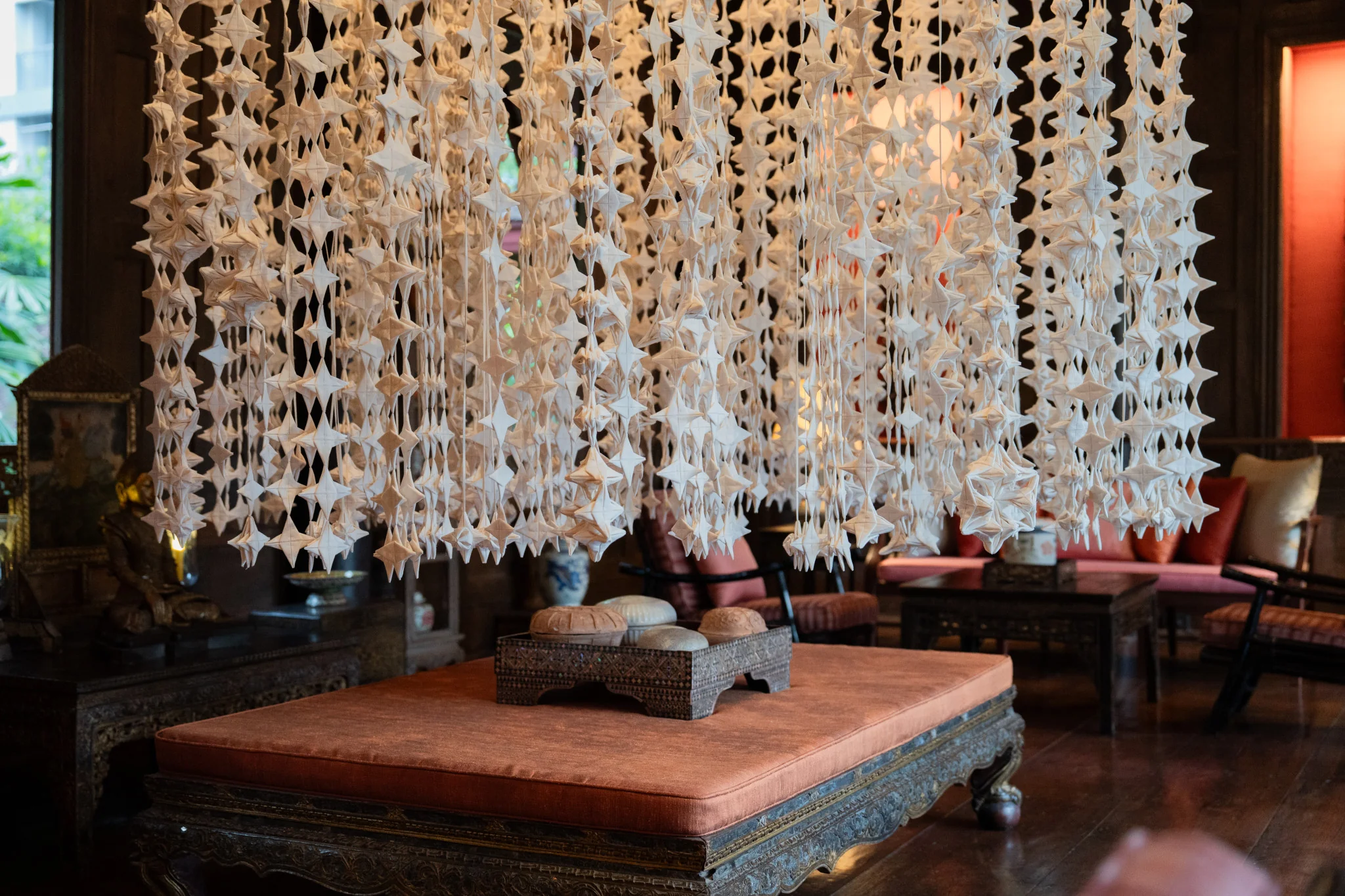
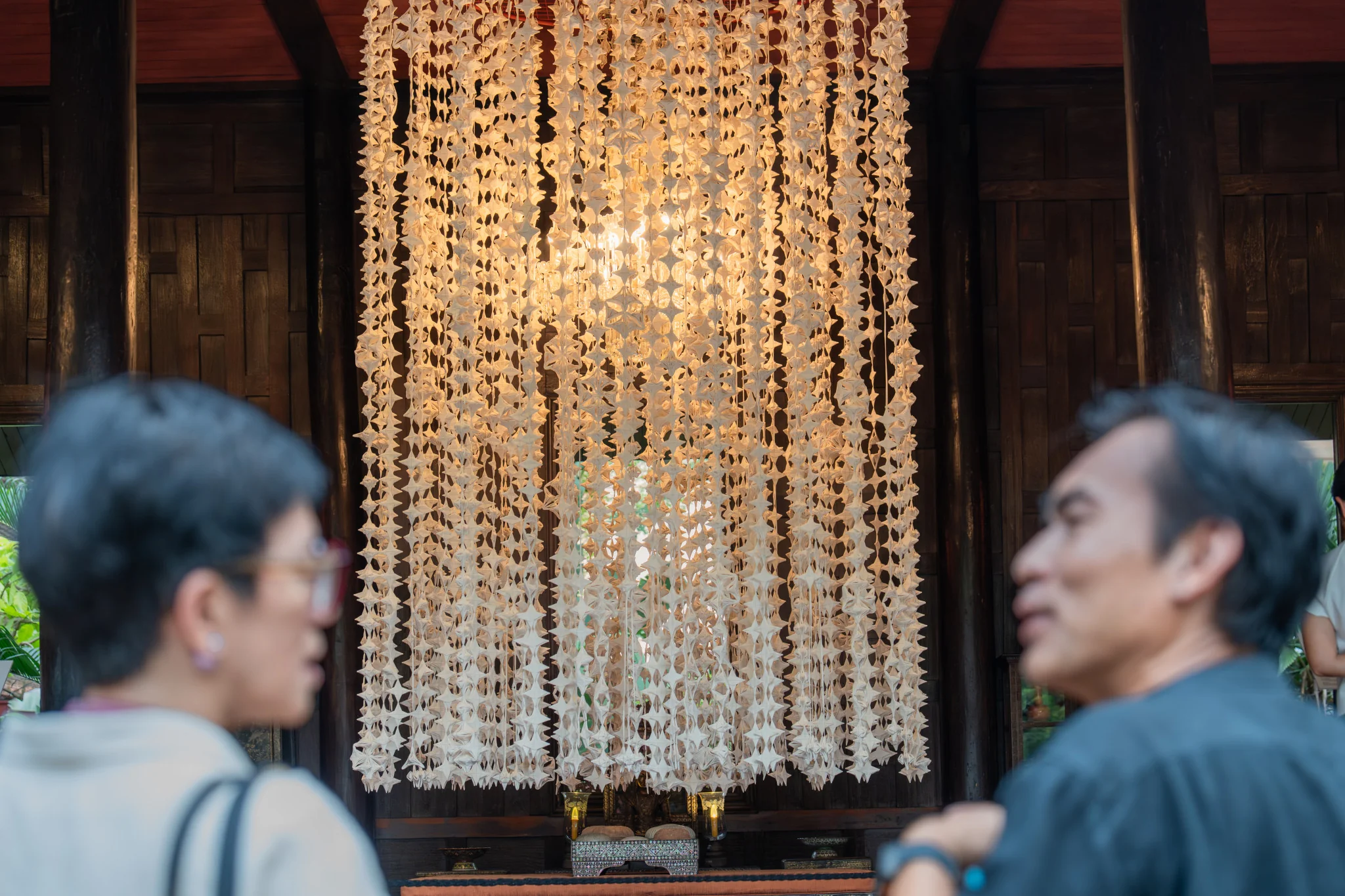
Pinaree Sanpitak, Ma Lai Toile, 2022, and Pim Sudhikam, A Conversation with Mr. Jim’s Collection, 2026. Installation view of Living in an Elastic Time, 2026, at the The Jim Thompson House Museum. Photo credit: Marisa Srijanpleang.
Jim Thompson House Museum
Living in an Elastic Time presents Thai contemporary art and craft across the Jim Thompson Art Center and the Jim Thompson House Museum. Originally conceived as the Thailand Pavilion for the 2025 Cheongju Craft Biennale in South Korea, the exhibition is rearticulated in Bangkok through a dialogue with the House Museum’s history and collection.
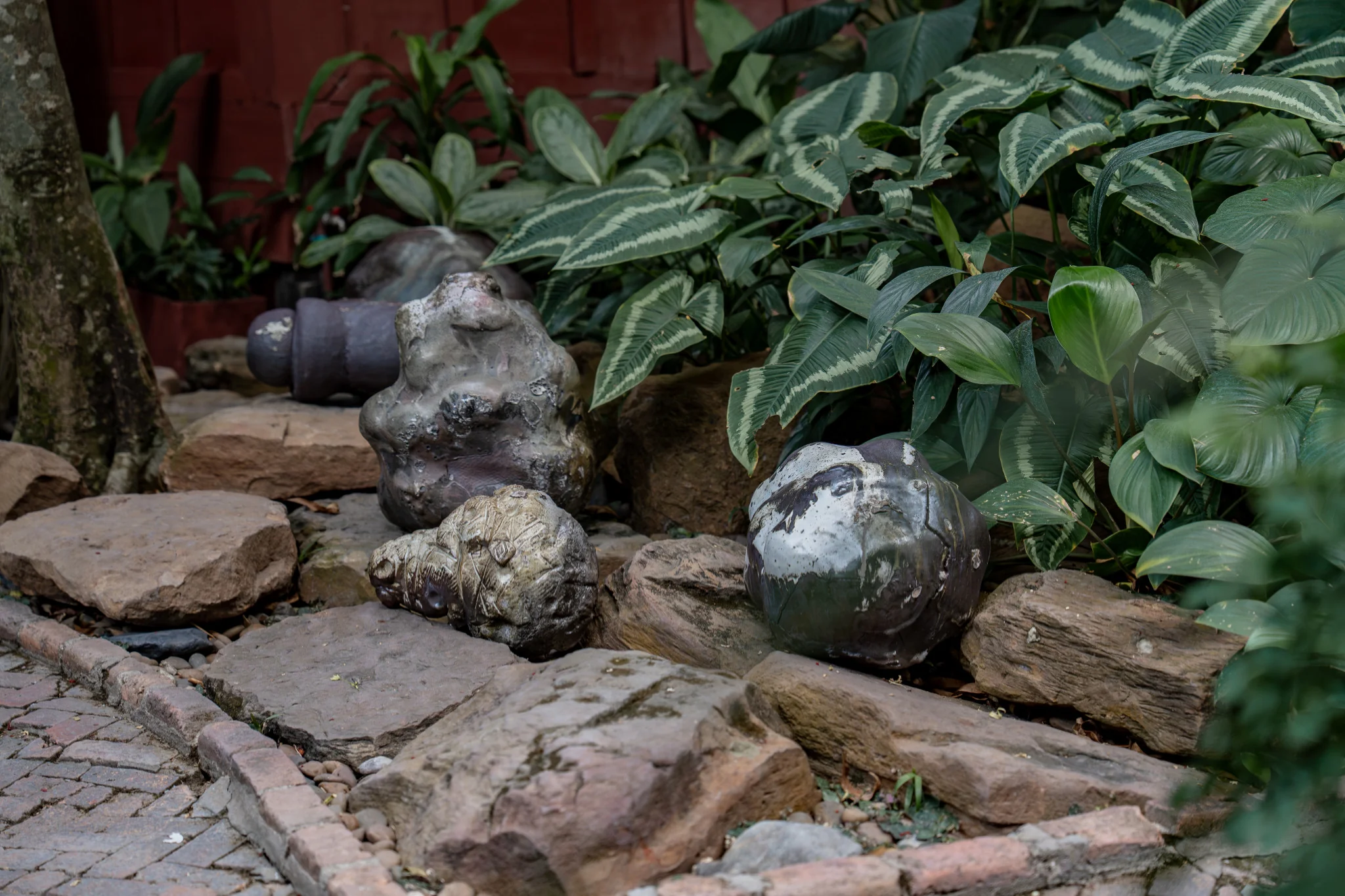
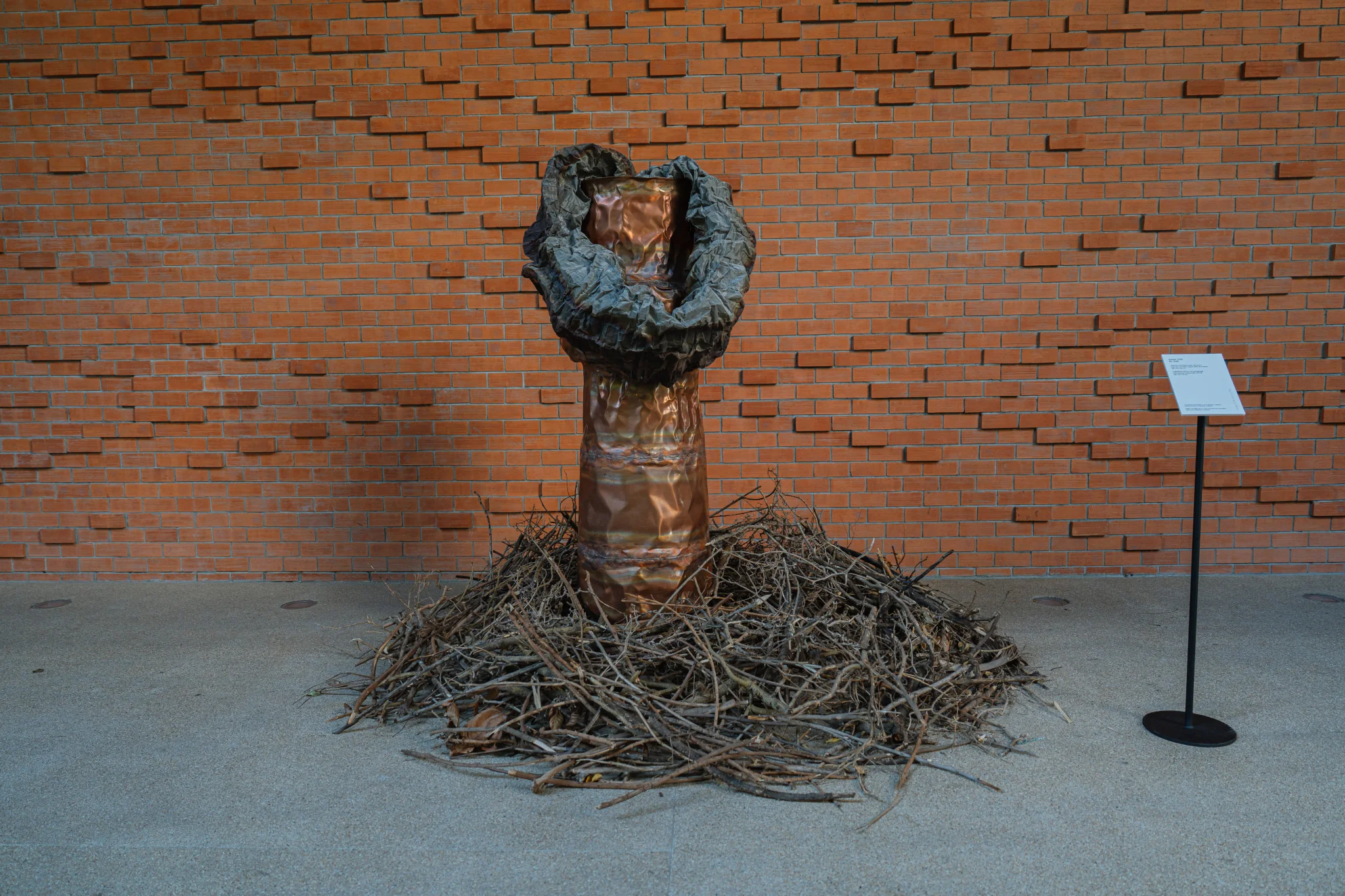
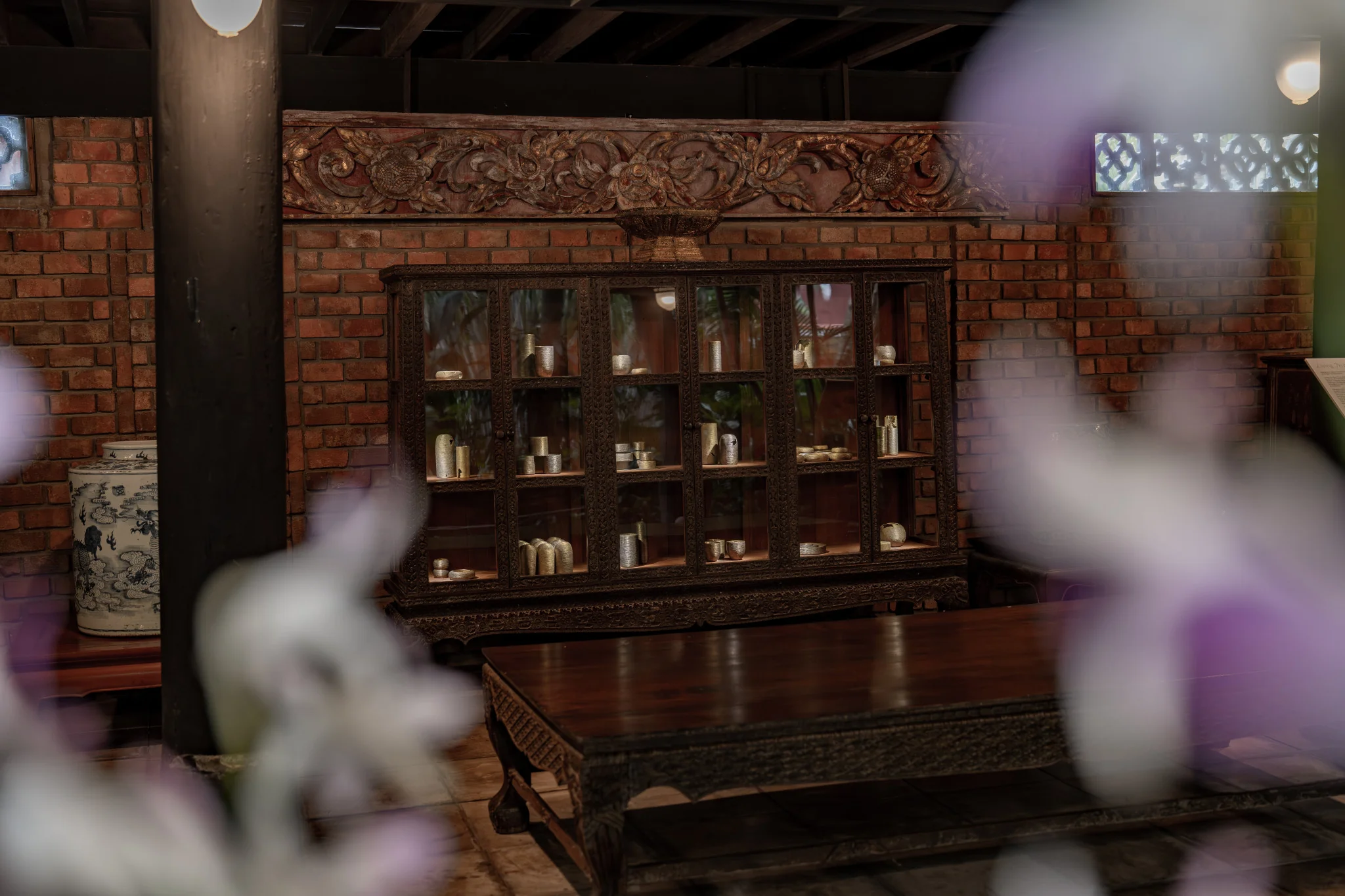
This section features works by leading artists and artisans: Pinaree Sanpitak reinterprets the malai (garland) tradition, evoking cycles of life and transition; Pim Suthikham revisits prehistoric ceramic forms using clay from urban Bangkok, installed in the house’s living and dining rooms; Rudee Tancharoen collaborates with Northeastern brass craftsmen to sustain the lost-wax technique on the ground floor; and Somluk Pantiboon presents large-scale ceramics made from clay sourced from his flood-affected hometown in Chiang Rai, situated in the garden.
Framing craft as a social practice shaped by elastic time—cyclical, layered, and rooted in ritual and community—the exhibition reconnects contemporary works with Jim Thompson’s collection. Installed within lived domestic spaces, these works recall a time when craft was integral to everyday life. Blurring boundaries between craft and fine art, the exhibition highlights continuity, memory, and transformation.
-

Somluk Pantiboon, Seed No. 1-5, 2024. Installation view of Living in an Elastic Time, 2026, at the The Jim Thompson House Museum. Photo credit: Marisa Srijanpleang.
-

Installation view of Living in an Elastic Time, 2026, at the Jim Thompson Art Center, Gallery 1. Photo credit: Marisa Srijanpleang.
-

-

-

Installation view of Living in an Elastic Time, 2026, at the Jim Thompson Art Center, Gallery 2. Photo credit: Marisa Srijanpleang.
-

-

Rudee Tancharoen, Untitled, 2021. Installation view of Living in an Elastic Time, 2026, at the The Jim Thompson House Museum. Photo credit: Marisa Srijanpleang.
-

-

-

Installation view of Living in an Elastic Time, 2026, at the The Jim Thompson House Museum. Photo credit: Marisa Srijanpleang.
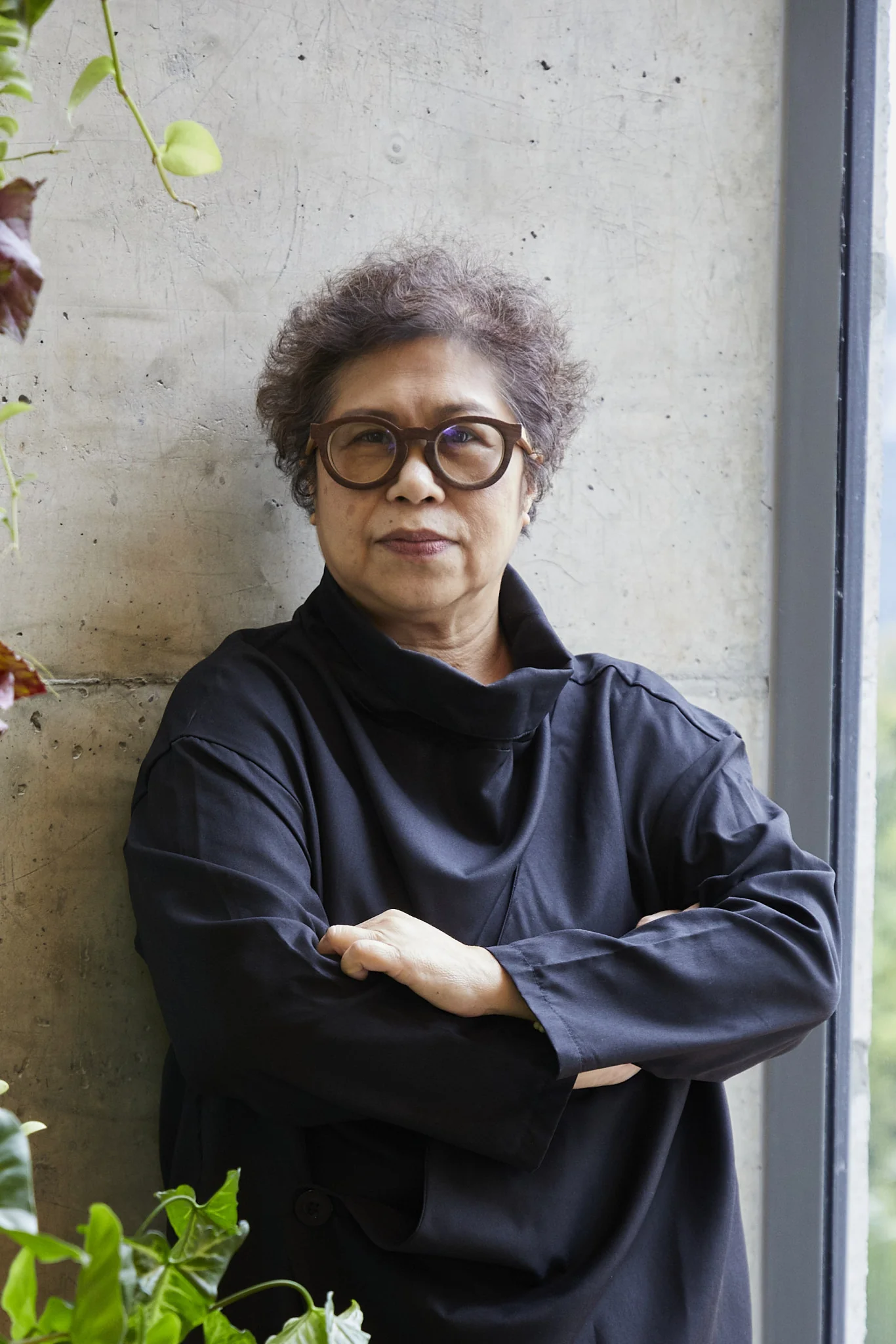
Gridthiya Gaweewong
Chaing rai / Bangkok, Thailand
Curator
Gridthiya Gaweewong (b. 1964, Chiang Rai, Thailand) holds a Master of Arts in Art Administration and Policy from the School of the Art Institute of Chicago and a Doctorate in Fine and Applied Arts from Chulalongkorn University. She co-founded Project 304, an alternative art space in Bangkok, from 1996 to 2002, and has curated numerous exhibitions addressing social transformation since the Cold War. Notable projects include Under Construction at Tokyo Opera City Gallery (2002) and Politics of Fun in Berlin (2005), collaborating with various regional curators. Gridthiya curated Apichatpong Weerasethakul’s The Serenity of Madness, which toured internationally, and participated in the 12th Gwangju Biennale's curatorial team in 2018. In 2023, she co-directed the Open World international exhibition, at the 3rd Thailand Biennale. Her recent projects include, I understand everything (2025), a retrospective of Almagul Menlibayaeva, Almaty Museum of Art, Almaty, Kazakhstan and Living in an Elastic Time, Invited Country Pavilion, Cheongju Craft Biennale, South Korea (2025). A 2018 fellow at the Center for Curatorial Leadership at MoMA, she has served on the acquisition committee for the Singapore Art Museum since 2020. Gridthiya received the Chevalier de l’Ordre des Arts et des Lettres in 2023 and the Audrey Irmas Award for Curatorial Excellence in 2025, and she currently works as the Artistic Director of the Jim Thompson Art Center, Bangkok.
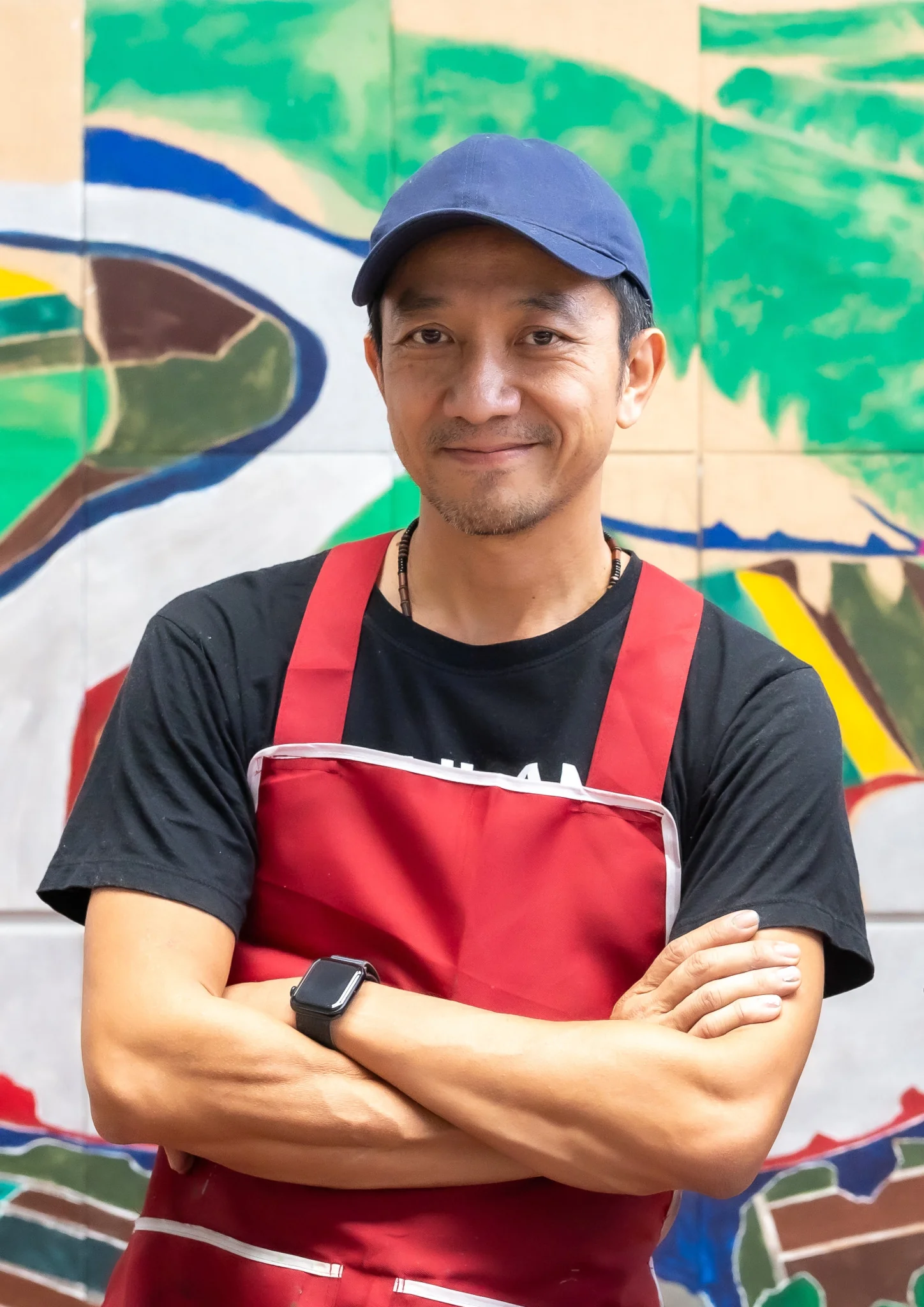
Angkrit Ajchariyasophon
Chiang Rai
Curator
Ajchariyasophon holds a Master of Arts in Media Art and Design from Chiang Mai University.
He is a visual artist, former independent curator, and co-founder of two significant art spaces: Angkrit Gallery (Chiang Rai, 2008-2016) and ARTIST+RUN (Bangkok, 2016-2021).
His early work explored the complexities of Thai identity and culture across various media, notably in exhibitions such as Faces of Thai (2001) and The Perfect English Gentleman (2006). Following the 2006 coup, his focus shifted toward examining political change, contemporary conditions, and the intricacies of perception through painting and photography, as seen in The Elusive Memories (2013) and Shades of Red (2017).
In his more recent practice, particularly in the period following the COVID-19 pandemic, Ajchariyasophon centers on experiences of uncertainty and change at individual, societal, and environmental levels. He cultivates an open-ended artistic process, embracing flexible modes of working that integrate diverse painting techniques and site-specific installations. This approach allows space for the unexpected interactions of time, life, and experience.
He currently resides in Suphan Buri, where he continues his artistic practice.
all(zone)
Bangkok, Thailand
Artist
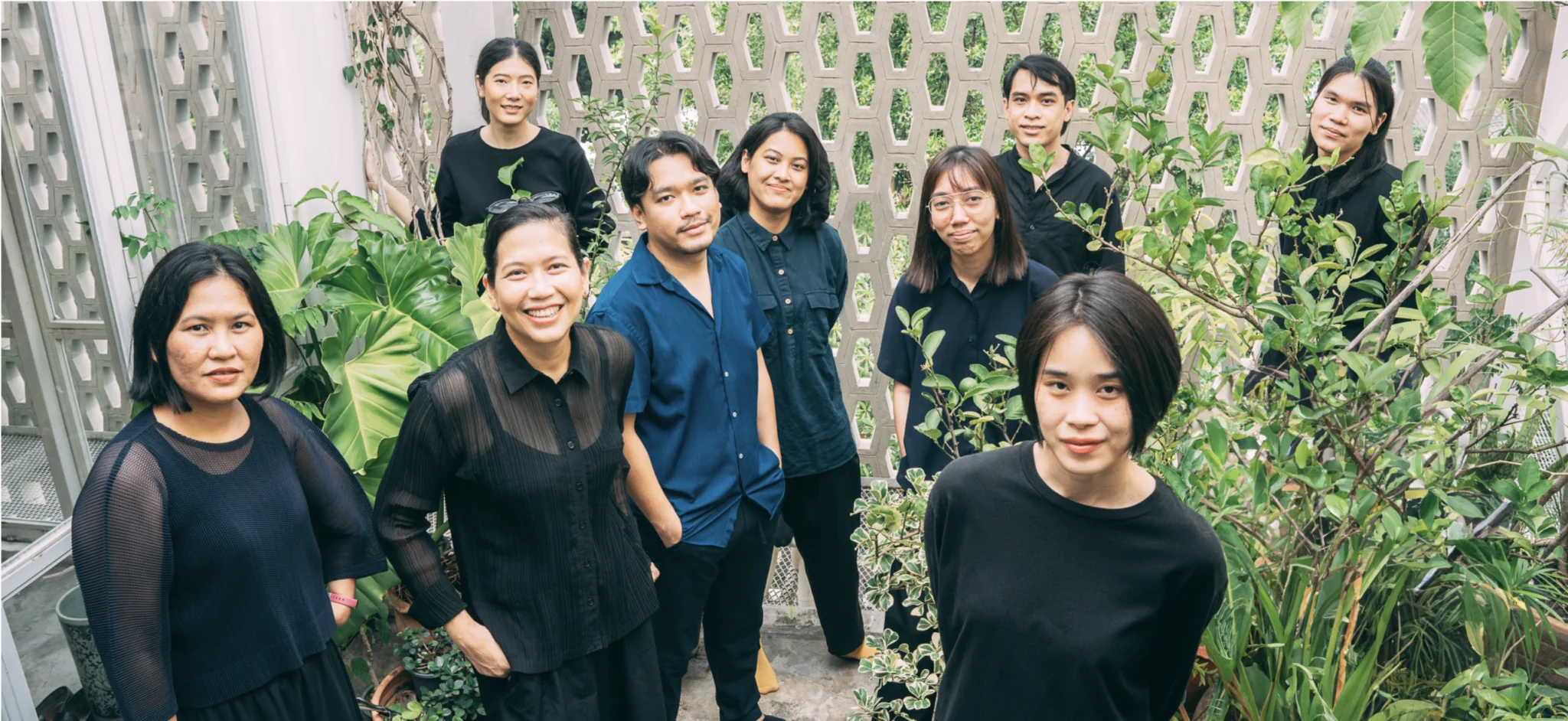
Founded in 2009, all(zone) is a Bangkok-based studio inspired by the dynamic life of tropical metropolises. Their work captures contemporary vernacular design, creating light, playful, and sustainable environments where everyone can feel at home. Notable projects include the MAIIAM Contemporary Art Museum in Chiang Mai, awarded Best New Museum in 2017. all(zone) has been named among Domus' 100+ Best Architecture Firms and recognized by Monocle’s Top 50 Design Awards. Their global presence includes exhibitions at the Guggenheim, Chicago Architecture Biennial, Vitra Design Museum, Triennale di Milano, the Sharjah Architecture Triennials, Melbourne Pavilion, Thailand Biennale Chiang Rai, and the Venice Biennale.
DonMooDin
Sakon Nakhon, Thailand
Artist
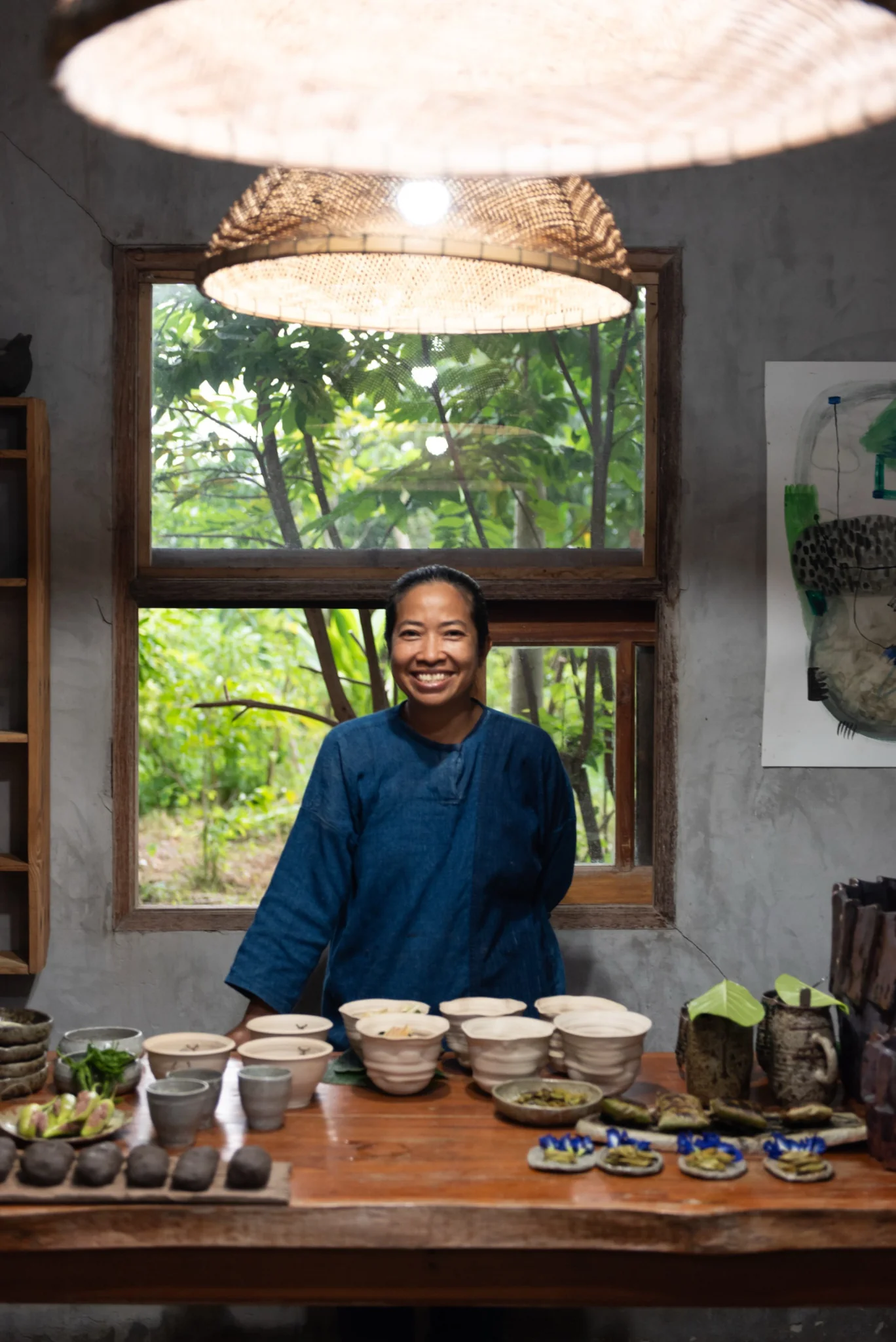
Walriya Pengsawang a founder of DonMooDin and creates each pieces with a passion for the craft. Since 2015. My collection includes bowls, plates, cups and other tableware that are not only functional but also beautiful pieces of art, I call my stuffs is a Conceptual Ware. I believe that every meal should be an experience that engages all the senses.
Browse my collection today and add a touch of warmest to your dining table. DonMooDin is a unique pottery that offers a wide range of handmade ceramic objects there all are natural glazed and stoneware. My studio is located in Sakon Nakhon, where I draw inspiration from the beauty of nature surrounds me.
Foundisan
Ubon Ratchathani, Thailand
Artist
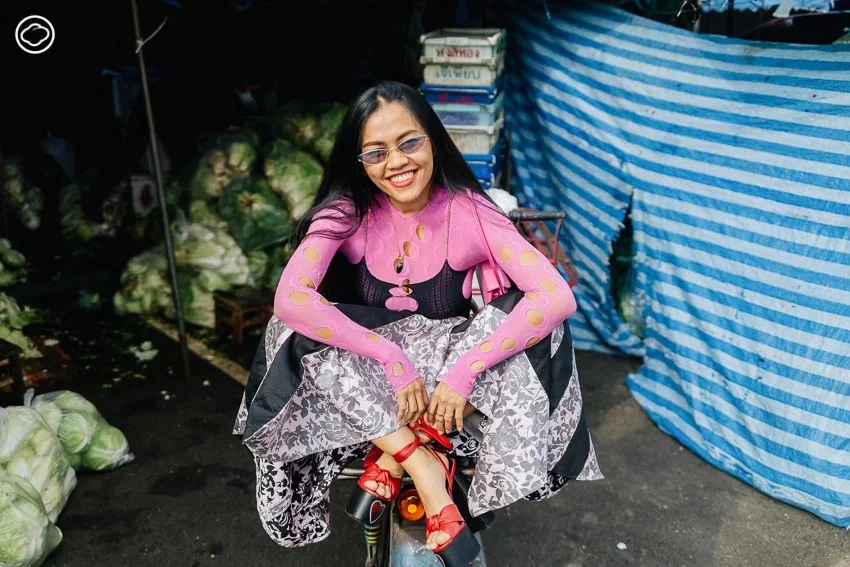
Eve Nutthida Palasak is a fashion designer, researcher, and founder of Zao and Foundisan—two initiatives that reimagine Isan’s cultural identity through contemporary design and gastronomy. Originally from Ubon Ratchathani in Northeast Thailand, she returned to her hometown after years in Bangkok’s fashion industry to reconnect with her roots. Drawing on family traditions, she revived an ancestral recipe and established the acclaimed restaurant Zao. At the same time, she began collaborating with rural artisans to breathe new life into traditional weaving, bridging local craft with modern sensibilities and storytelling.
Studio Mueja
Chiang Mai, Thailand
Artist
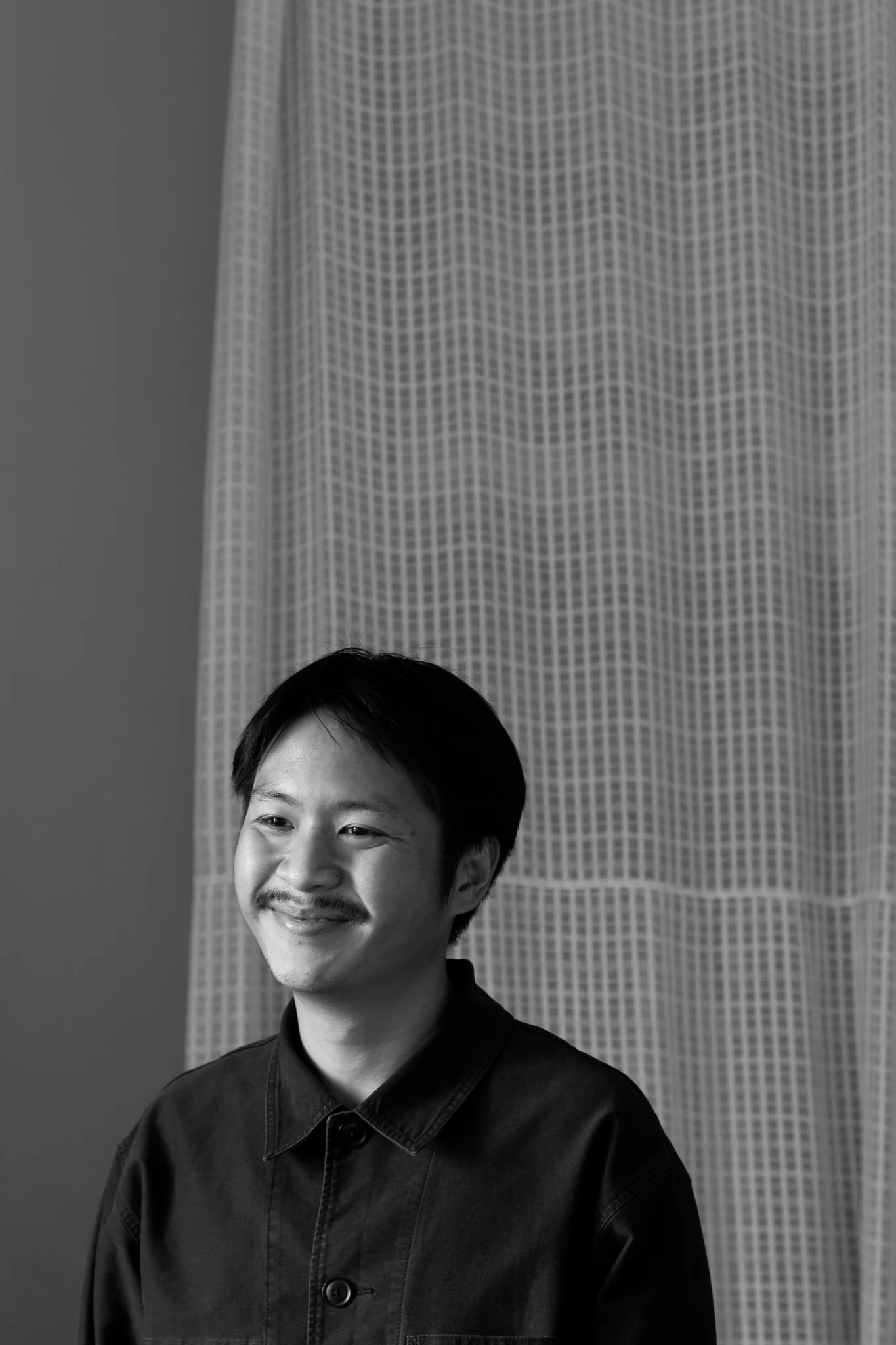
Studio Mueja, founded by Rapeepat “Poon” Keawthip, is a rising force in Thailand's contemporary craft scene. The studio's name, “Mueja,” meaning 'calloused hand' in the northern Thai dialect, honors the skilled artisans at the heart of the creative process. Based in Chiang Mai, Keawthip draws deep inspiration from his roots, seamlessly blending elements of nature and local traditions into his designs. Mueja's work bridges the gap between traditional craftsmanship and modern aesthetics. Keawthip, who taught himself furniture-making through online tutorials after graduating in 2021, emphasizes meticulous attention to detail and continuous improvement in every piece.
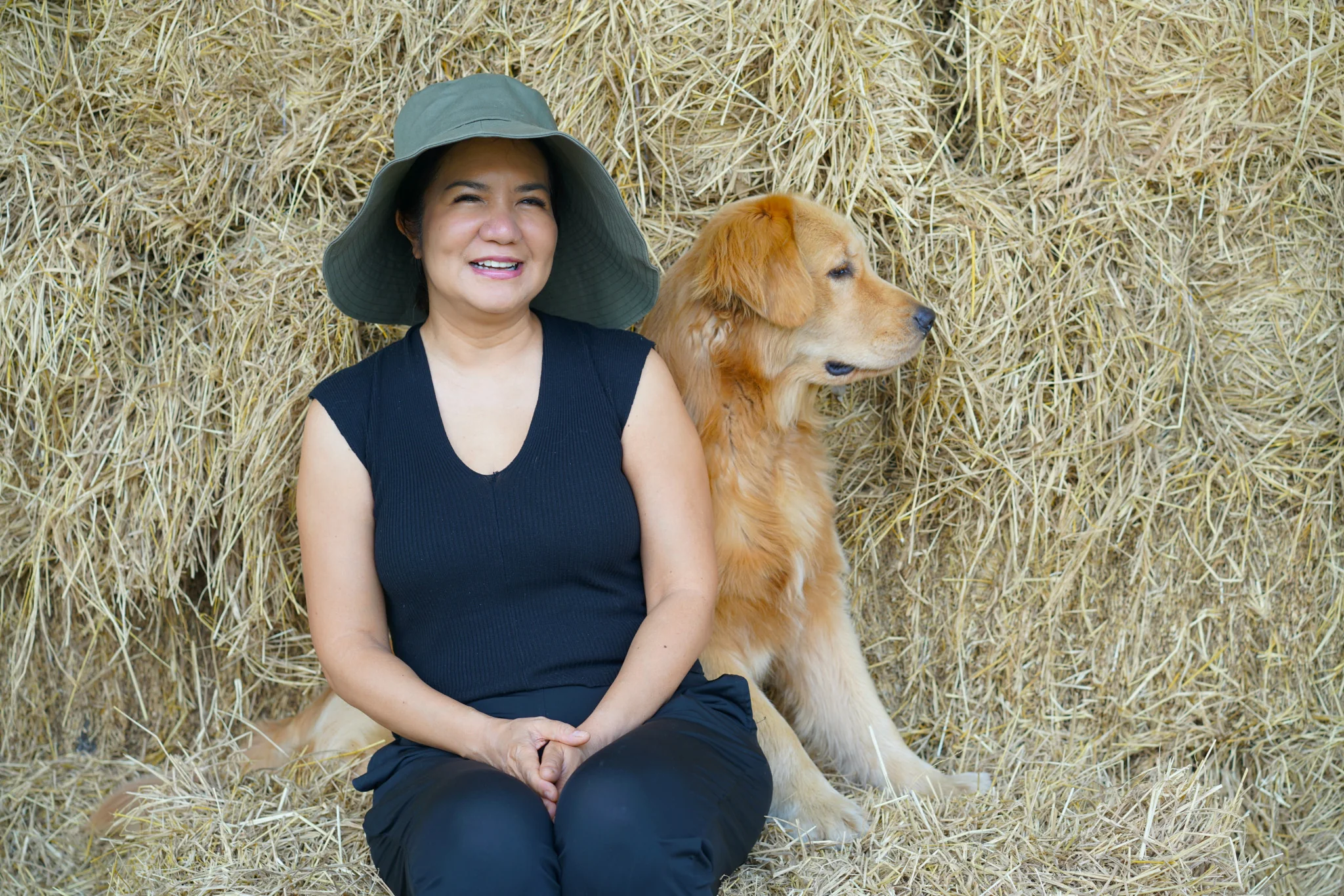
Jarupatcha Achavasmit
Chiang Mai, Thailand
Artist
Jarupatcha Achavasmit is a visionary material designer and artist based in Chiang Mai. Her artistic practice, catalyzed by the pandemic, redefines materials as archives of transformation, delving into molecular bonding to create unique woven metals. As the founder of Ausara, a platform for sustainable material innovation, Jarupatcha operates at the intersection of scientific inquiry and poetic imagination. Her transnational education and collaborations with organizations like United Nations Conference on Trade and Development (UNCTAD), Jim Thompson, and Alexander Lamont underscore her deep commitment to ecological and social attunement, reflecting a truly global and responsible artistic ethos.
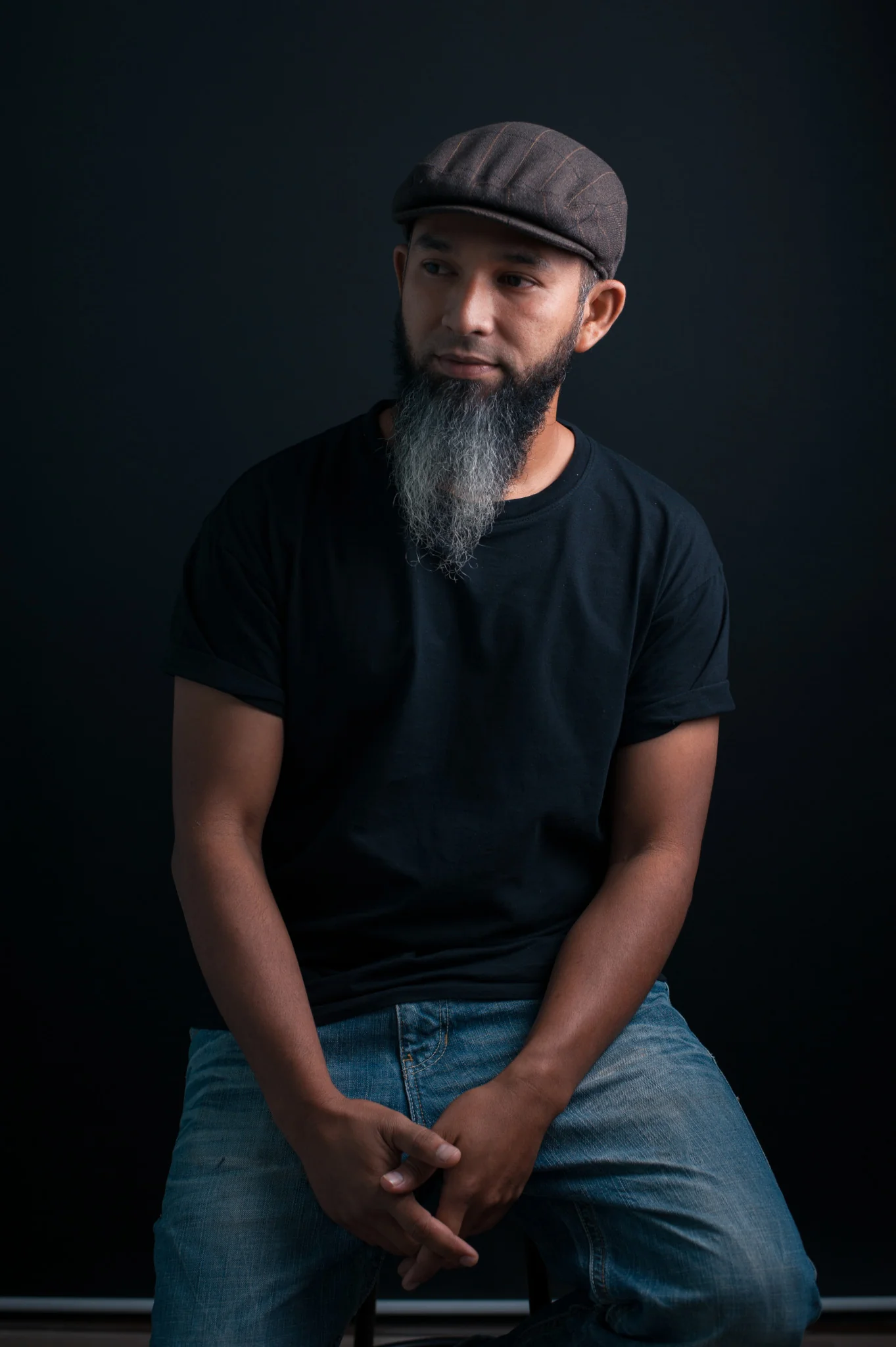
Emsophian
Pattani, Thailand
Artist
Emsophian Benjametha is a visionary, Paris-trained designer and influential force in Thailand's deep south. He founded Benjametha Ceramic, the region's first ceramic factory, deeply rooted in local soil and reflecting the Thai-Muslim way of life. He also co-founded LEPAS, dedicated to revitalizing the traditional “kain lepas” textile. Benjametha's early connection to nature and his father's brick factory ignited his passion for design, leading him to transform Pattani's soil into exquisite ceramics. His art uniquely bridges faith and earth, preserving cultural heritage through innovative use of local materials.
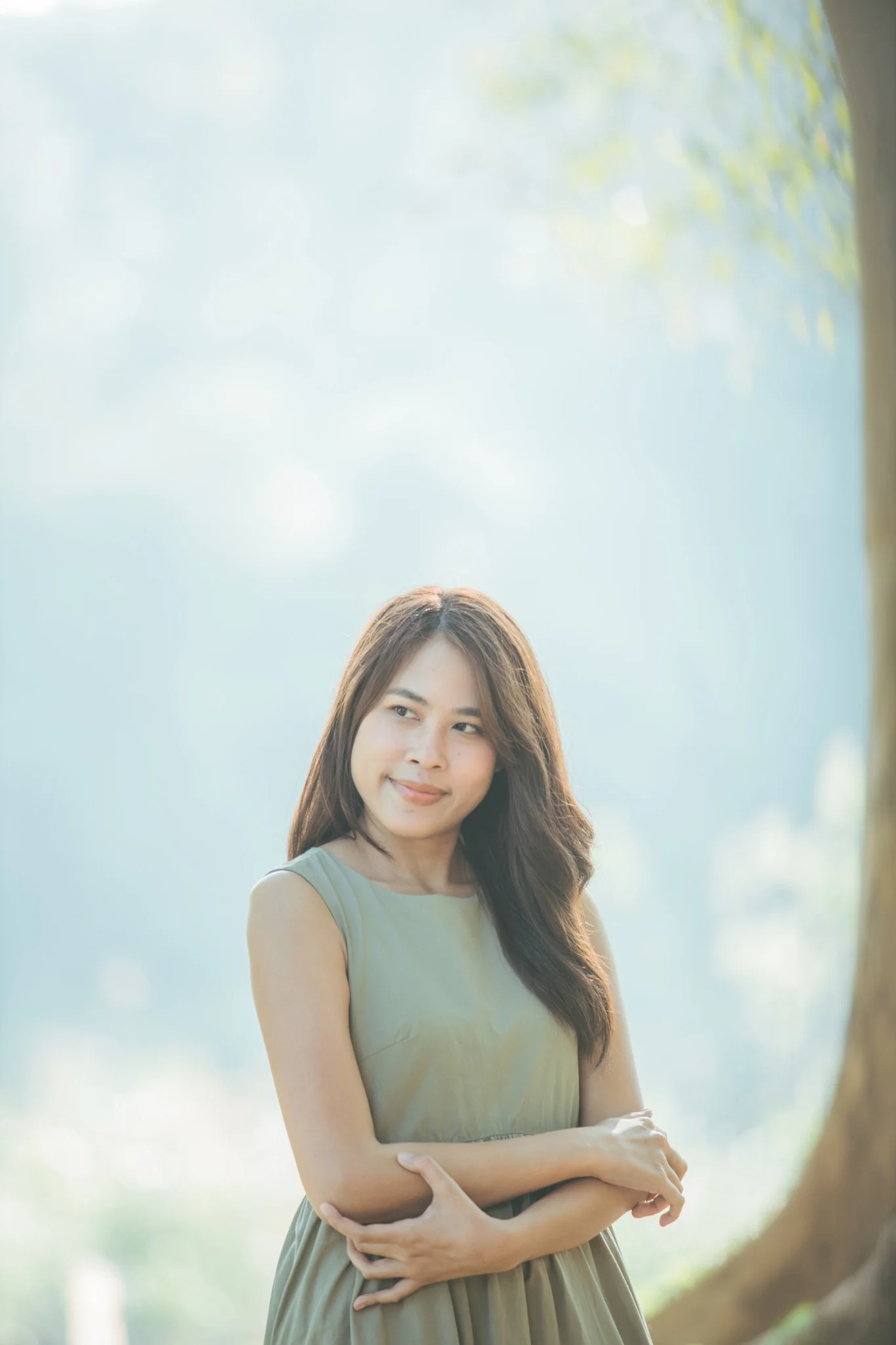
Sita Inyai
Bangkok, Thailand
artist
Sita Inyai creates works of art that serve as a profound testament to both meticulous craft and deep introspection. Her artistic process is akin to a rigorous form of mindful meditation on the human body and its intricate connections. It involves the careful and elaborate techniques of crocheting, knitting, tying, binding, and weaving, utilizing a diverse array of materials, most notably metal and silk yarns, to construct her intricate forms. This laborious and precise approach is fundamental to the conceptual underpinnings of her pieces.
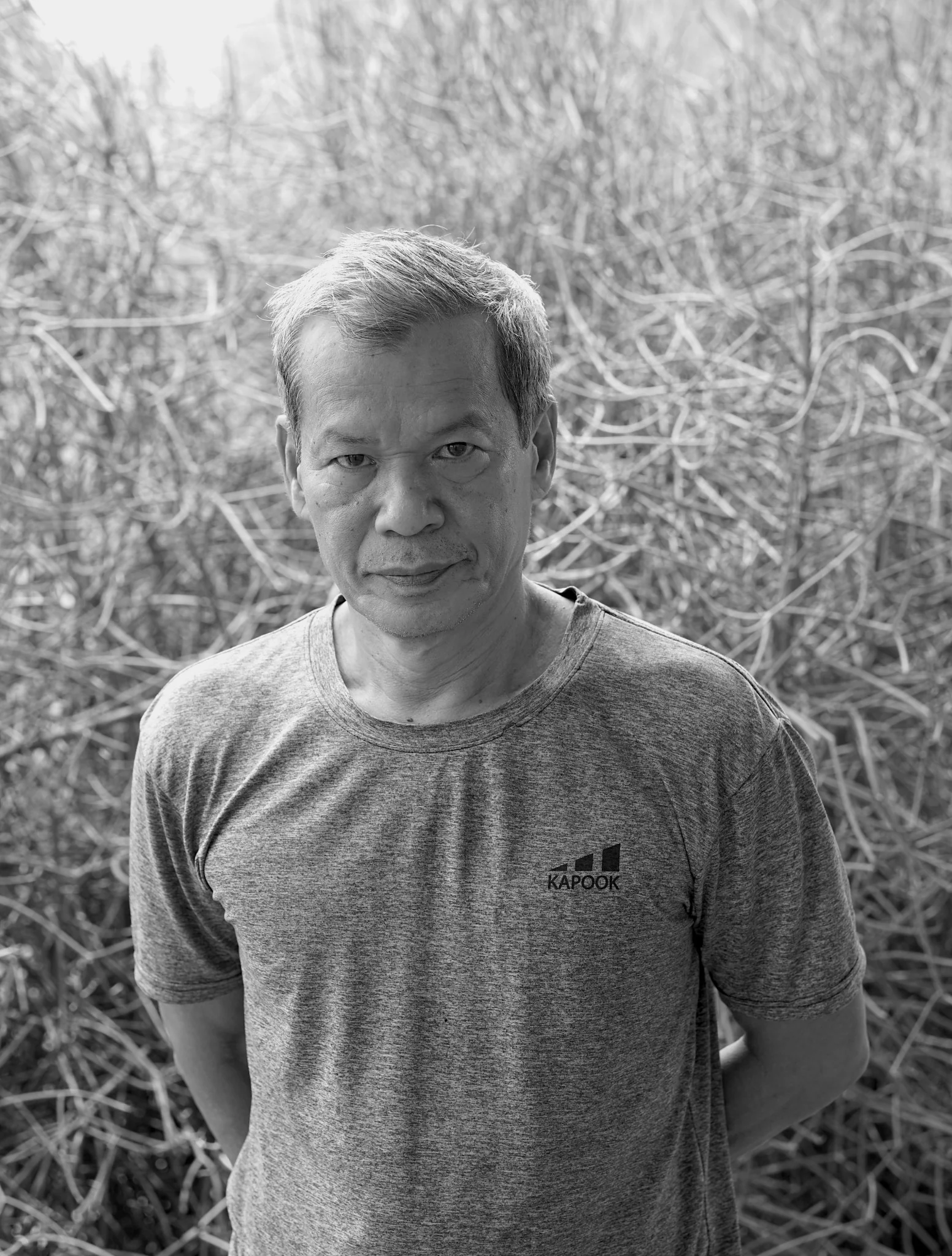
Mit Jai Inn
Chiang Mai Thailand
artist
A native of San Kamphaeng, Chiang Mai—an area renowned for its craft traditions—Mit Jai Inn draws deep inspiration from the textures, colors, and rhythms of his hometown. His practice bridges painting and sculpture, blurring the lines between contemporary art and local vernacular aesthetics. San Kamphaeng’s legacy of handwoven textiles, ceramicware, and lacquer objects informs his tactile approach, where layers of pigment resemble woven threads or dyed cloth, and papier-mâché forms echo the intimacy of domestic craftsmanship. He spent several years in Vienna, Austria where he worked with well-known European artists such as Franz West. Returning to Thailand, he co-founded the artist initiative public art festival, Chiang Mai Social Installation, reflecting his commitment to social engagement.
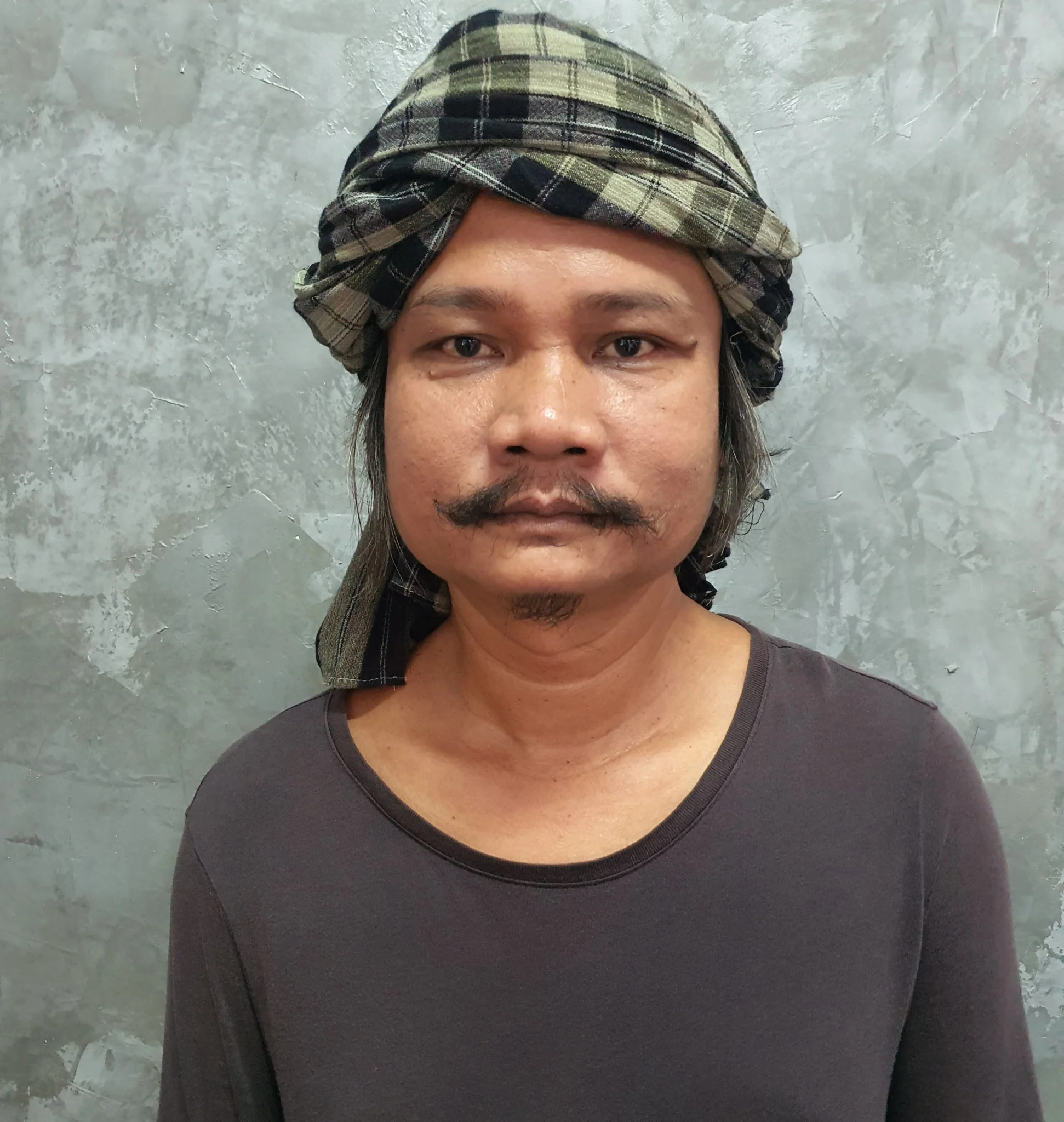
Preecha Karoon
Maha Sarakham, Thailand
artist
Preecha Karoon is an artist and educator residing in Maha Sarakham. With over two decades in theater, Karoon profoundly impacts his community by revitalizing “Molam Hun Krathip,” a unique puppet theater form using sticky rice containers. Returning to his Northeastern roots, he transforms humble, local materials into expressive puppets, often based on Ramayana narratives, to engage and rehabilitate youth recovering from drug addiction. His innovative approach seamlessly blends traditional aesthetics with contemporary social commentary. Karoon's work powerfully demonstrates how cultural heritage can be recontextualized as a dynamic tool for healing, empowerment, and fostering community development, breathing new life into ancient crafts for a modern generation.
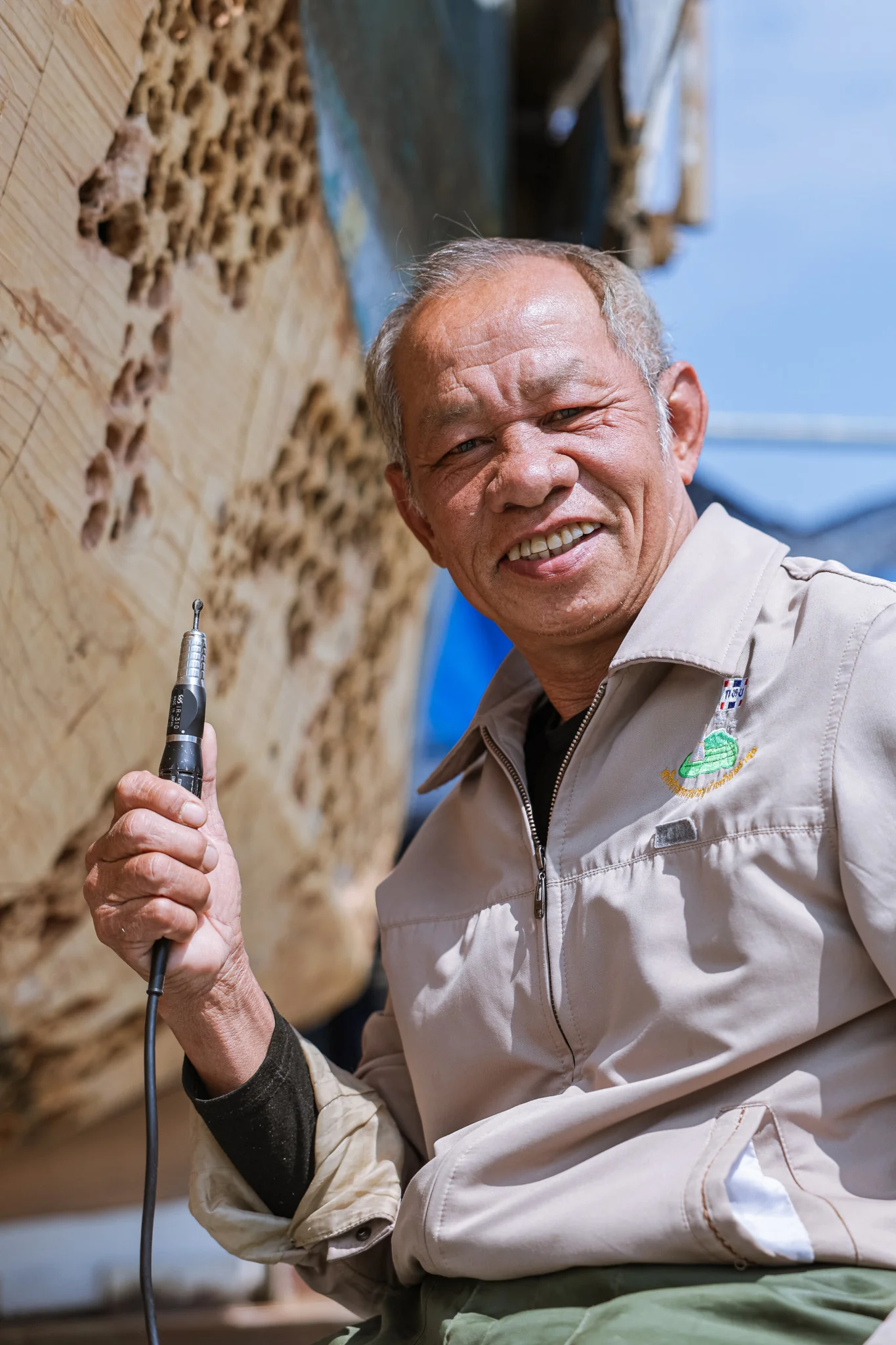
Sang Luesuwan x Kamchan Yano
Chiang Rai, Thailand
artist
Kamchan Yano is an exceptionally gifted woodcarver renowned for transforming discarded wood into intricate, kinetic narratives of Thai rural life. Learning from his grandfather, Saeng Luesuwan, a pioneer in ladle handle carving, Yano masterfully imbues humble materials with remarkable delicacy and humor. His unique genius lies in incorporating sophisticated mechanisms that bring his wooden figures to life, moving with surprising fluidity. His captivating work, ranging from small carvings to dynamic installations, has been exhibited internationally, ensuring the profound legacy of this unique craft and the cherished spirit of past generations continue to resonate.
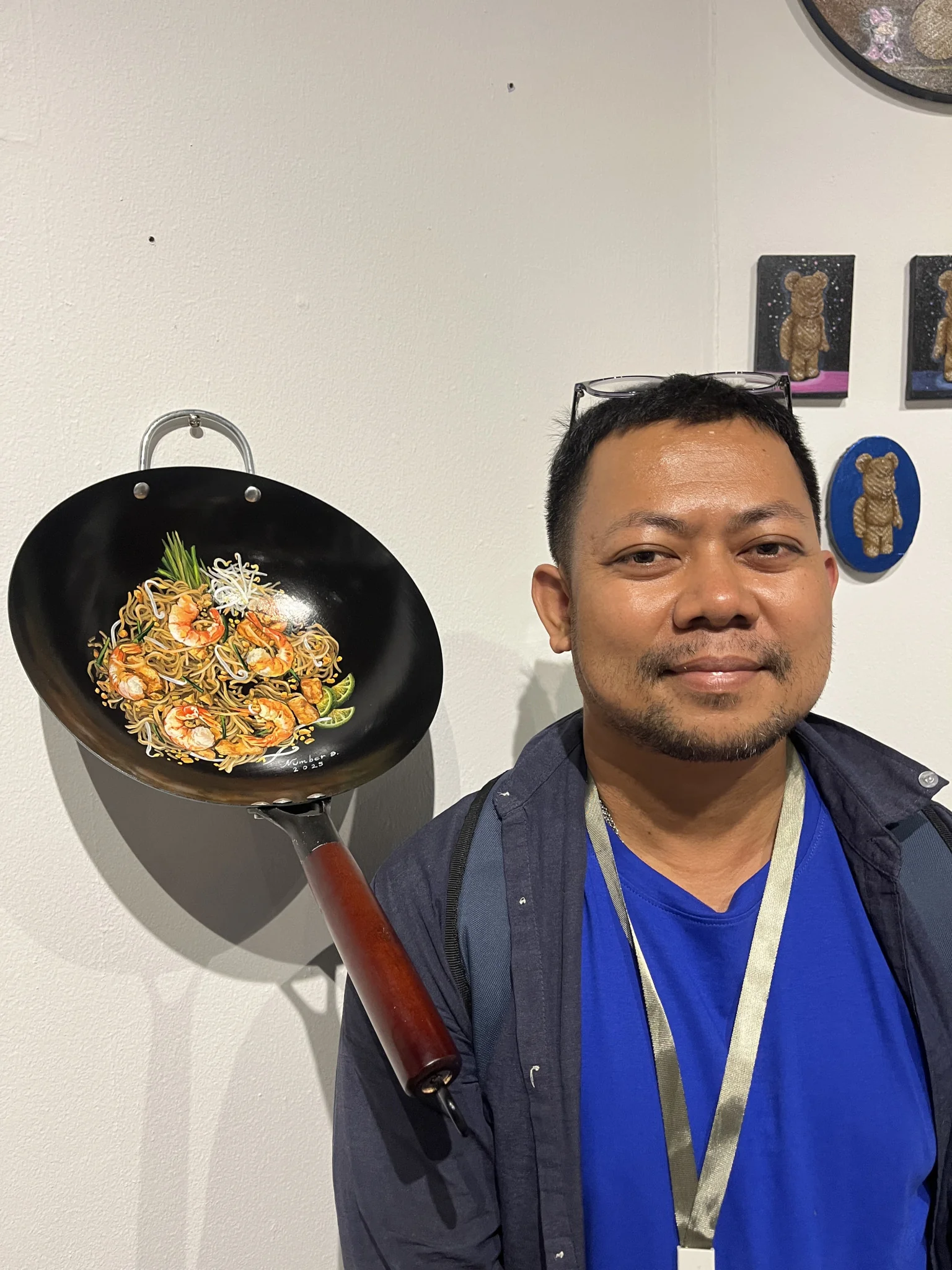
Thanwitcha Muenchamnan
Chiang Mai, Thailand
artist
Thanwitcha “Gogh” Muenchamnan, known artistically as “Gogh,” is a distinguished Chiang Mai-based artist. At 44, he has dedicated over two decades to mastering traditional rattan weaving, which he brilliantly revitalizes through captivating contemporary forms under his brand, “PhM GogH.” Gogh transforms humble rattan into extraordinary, spiritually resonant sculptures, most notably his striking Buddha images. He consciously moves beyond conventional furniture to forge art that deeply resonates with profound cultural heritage and spiritual depth, bridging generations through his unique artistic vision.
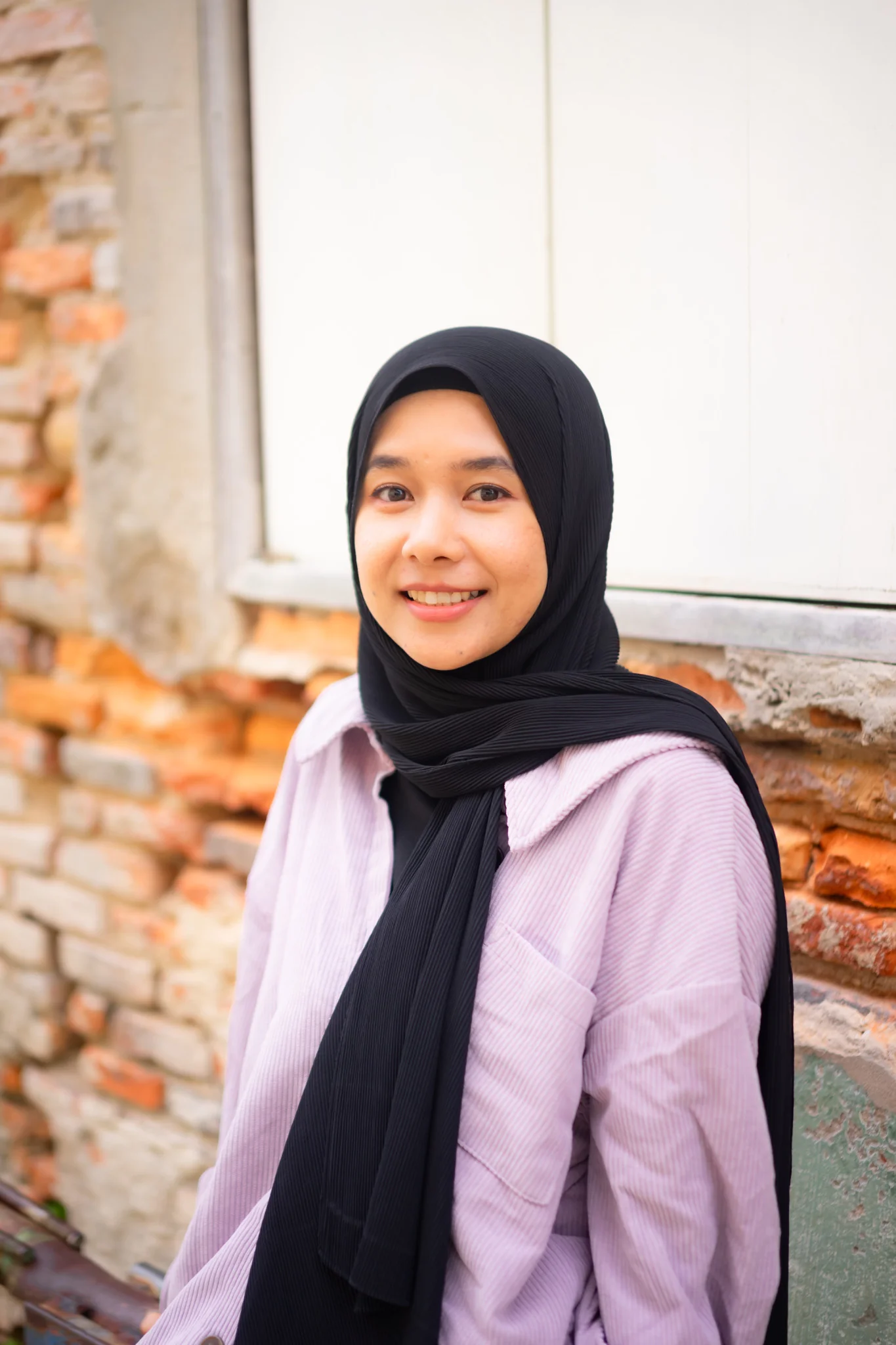
Kusofiyah Nibuesa
Pattani, Thailand
artist
Kusofiyah Nibuesa is a remarkable artist who creates intricate paper relief sculptures. Her work offers a deeply personal glimpse into Pattani's vibrant cultural landscape. Living in the deep south of Thailand, this predominantly Muslim area was annexed to Siam in the late 19th century and was formerly plagued by insurgency, with the people living under martial law for over two decades. The artist counterbalances the mainstream perception of her hometown by presenting multicultural and resilience through diverse techniques like paper cutting, printmaking, and stenciling. Nibuesa celebrates the everyday and often-unseen beauty of cross-cultural harmony in a region known for its complex dynamics. As an active member of the Muslimah Collective (Muslim women artist collective), she draws inspiration from her Islamic heritage, incorporating traditional textile patterns and bustling market scenes. Nibuesa's art champions the lives of often-overlooked communities, revealing their extraordinary richness and complexity.
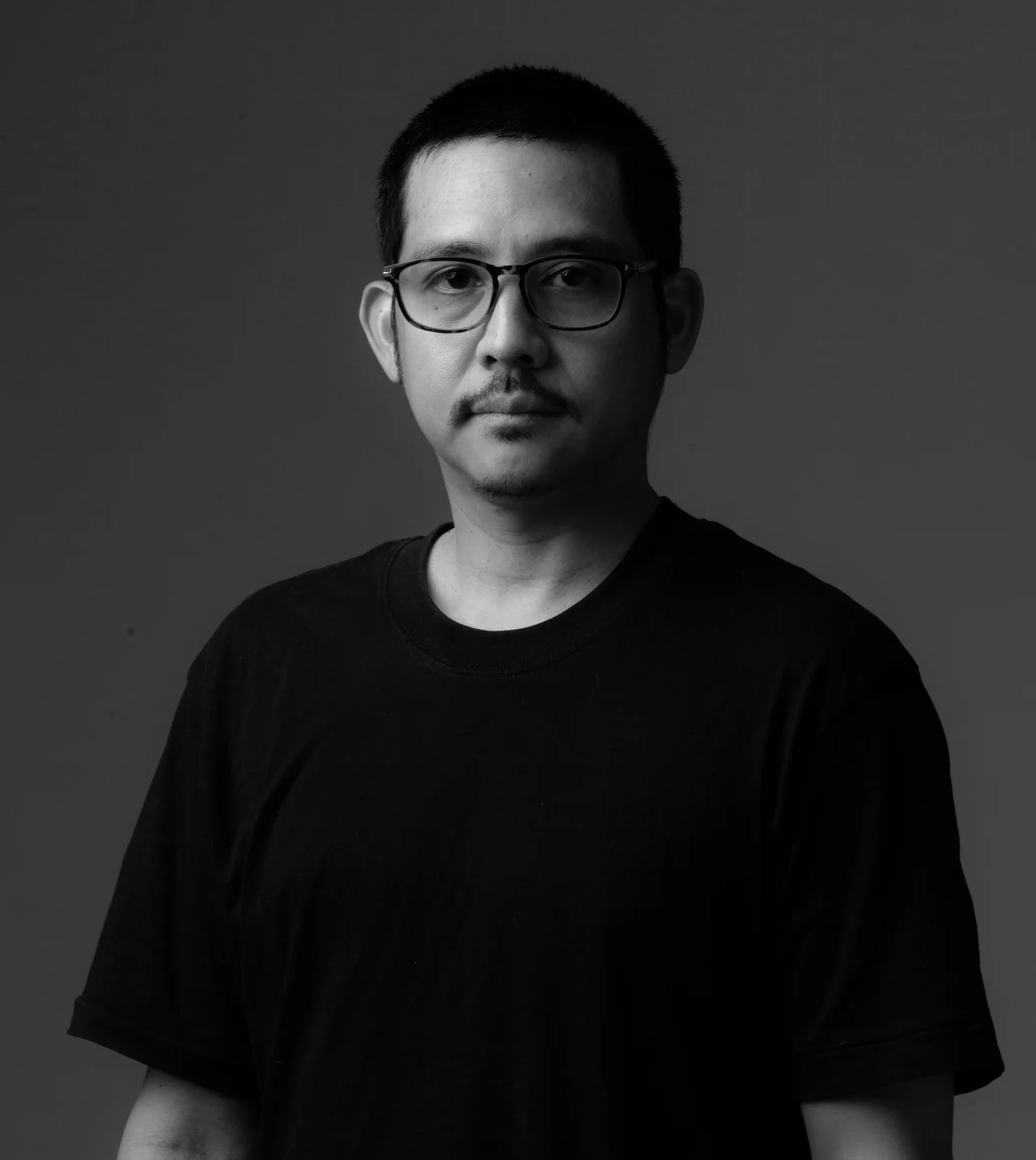
Jakrawal Nilthamrong
Bangkok, Thailand
artist
Jakrawal is an artist and filmmaker. He obtained his BFA at Silpakorn University, Bangkok (2000) and MFA at the School of Art Institute of Chicago, USA (2006). In 2007-08, he was an artist in residence at the Rijksakademie van Beeldende Kunsten, Amsterdam, the Netherlands. Jakrawal’s work spans from short films, documentary films, video installations, and feature films. The themes of his work often relate to Eastern philosophy in a contemporary context. His work was shown in international film festivals and art exhibitions, including the Yamagata Documentary Film Festival, Taipei Biennial 2012, Berlin Film Festival (Forum Expanded), SeMA Biennale Mediacity Seoul 2014, Toronto Film Festival, and many others. His feature film “Vanishing Point” (2015) premiered at the 44th International Film Festival Rotterdam and won the festival's top prize, Hivos Tiger Award. His most recent film, “Anatomy of Time” (2021) premiered at the 78th Venice Film Festival. He is also a full-time lecturer on the film subject at Thammasat University, Bangkok, Thailand.
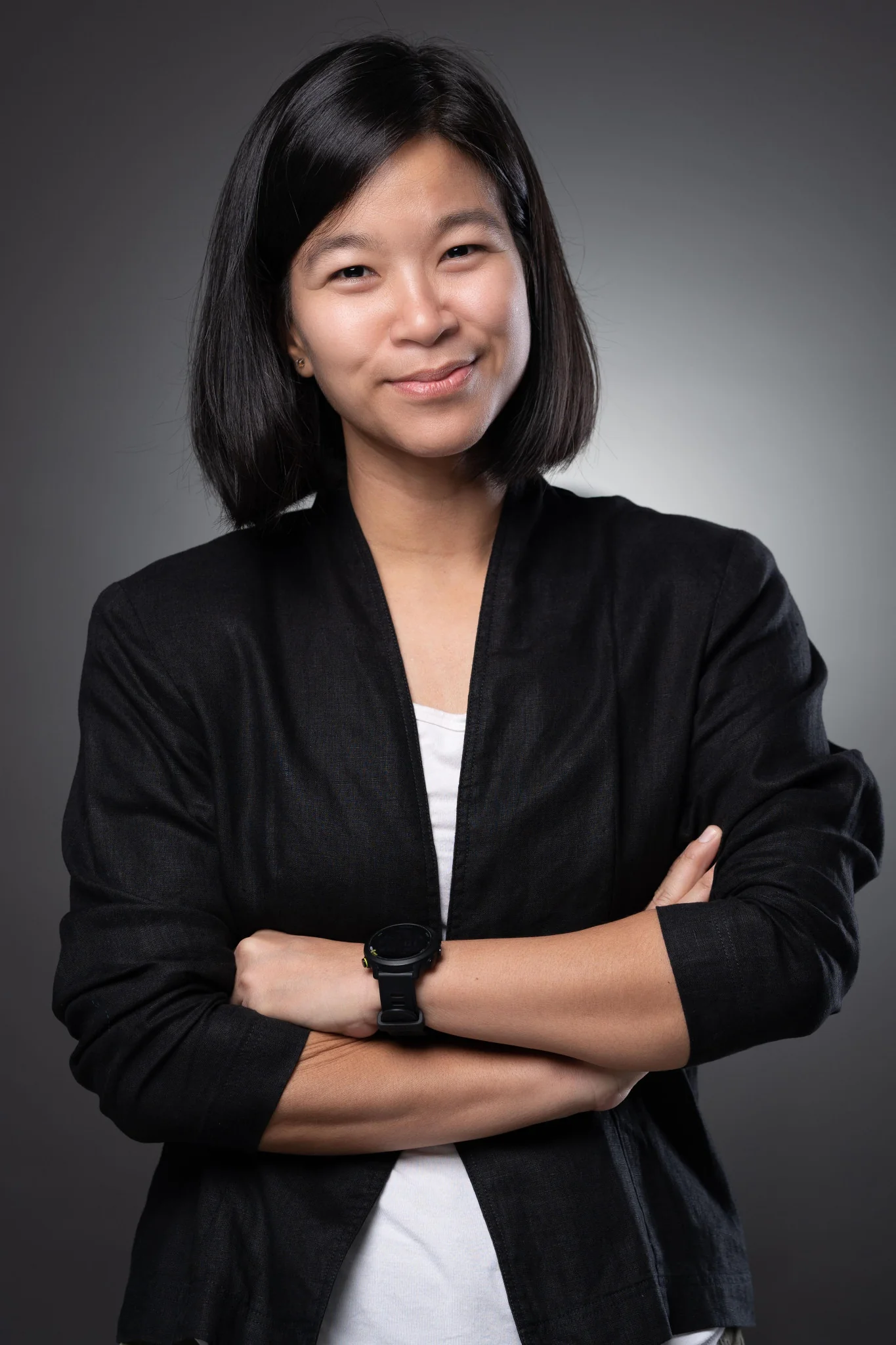
Thanistha Nunthapojn
Chiang Mai, Thailand
artist
Thanistha Nunthapojn delves deeply into the intricate and often paradoxical balance between fragility and inherent strength through her unique and thought-provoking ceramic sculptures. Holding a doctorate in Visual Arts from Silpakorn University, Nunthapojn's artistic focus centers not on preservation as a static, unchanging act, but rather as a dynamic, continuous process of meticulous mending and renewal. Her work speaks to the idea that breakage is not an end, but merely a transformation.
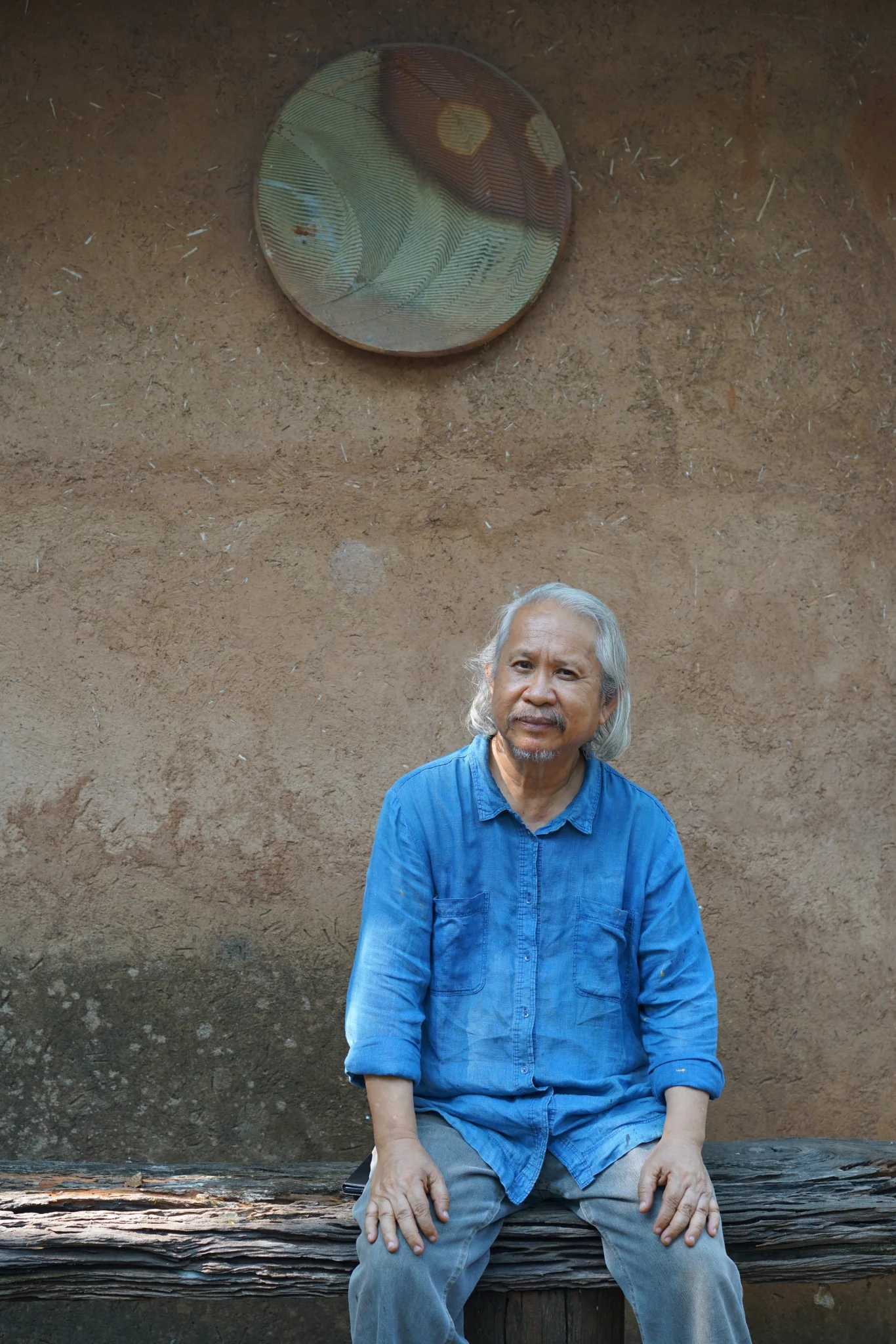
Somluk Pantiboon
Chiang Rai, Thailand
artist
Somluk Pantiboon is a distinguished ceramic artist whose work eloquently combines rigorous Japanese pottery mastery with sensitive Northern Thai sensibilities. His artistic journey is rooted in a profound appreciation for soil's raw beauty and inherent symbolism. Pantiboon’s creations consistently connect deeply with the natural world, whether echoing geological transformation or ingeniously transforming flood-ravaged mud into poignant testaments to impermanence. His philosophy, “Not Making 'Anything into Something',” aims to capture soil as a living vessel of memory, history, and cultural heritage, inviting contemplation on the human-environment relationship.
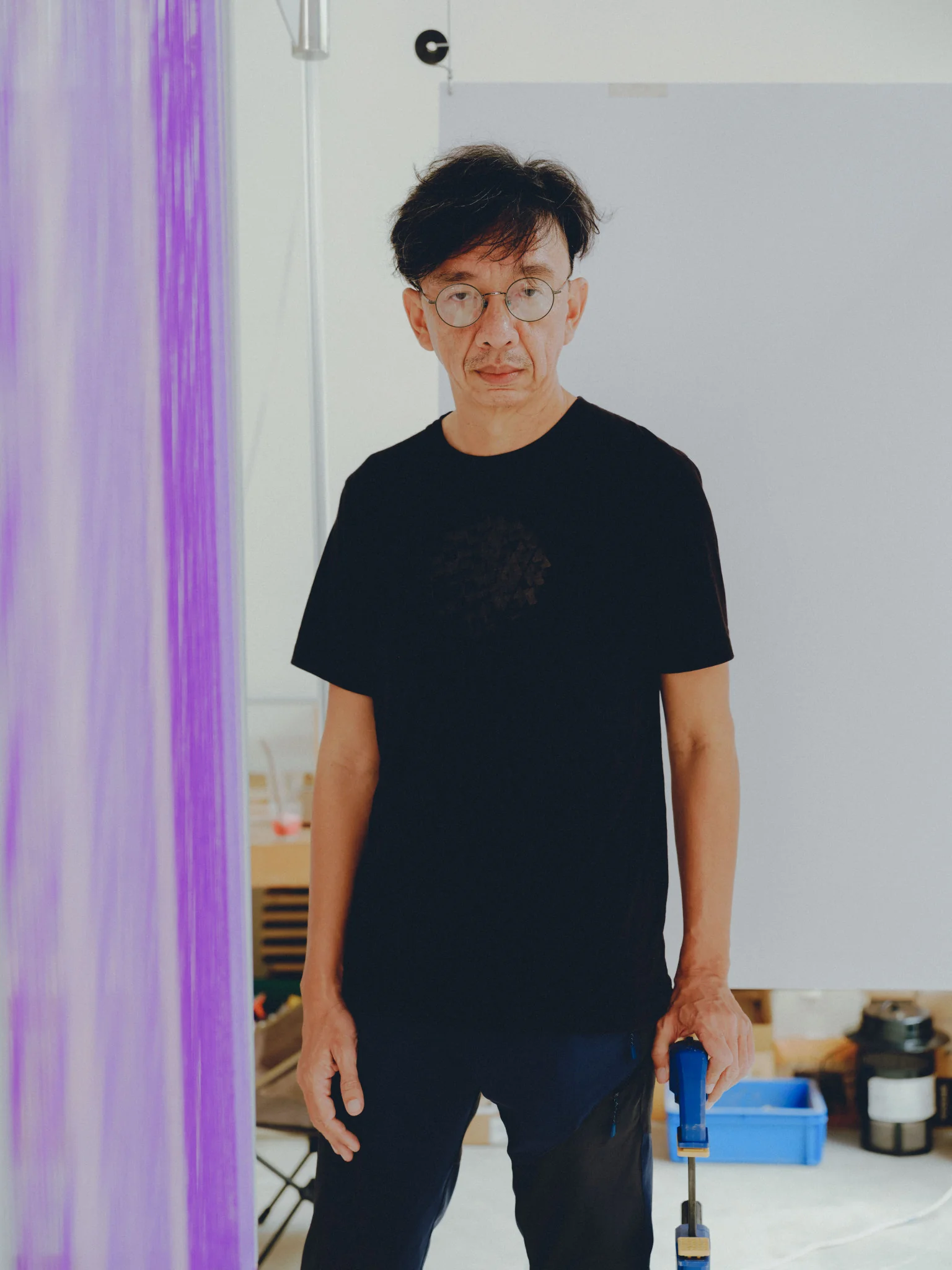
Wit Pimkanchanapong
Bangkok, Thailand
artist
Trained as both an architect and media artist, Wit Pimkanchanapong creates captivating installations that transcend mere visual spectacle. His remarkable maze installation, a highlight at Chiang Mai Design Week, is a profound and contemporary reimagining of the rich Lanna tradition of “Boon Phra Wes” or “Boon Mahachat.” This deeply rooted Buddhist tradition, also known as “Hit Duan Si,” marks the fourth month of the lunar calendar, a period dedicated to listening to the extensive Mahachat sermon. This sermon recounts the inspiring narrative of the Bodhisattva's final earthly life as Phra Wessantara before his ultimate attainment of Buddhahood, a story replete with themes of generosity and sacrifice.
Photo credit: neighborsandfriendscommunity.com
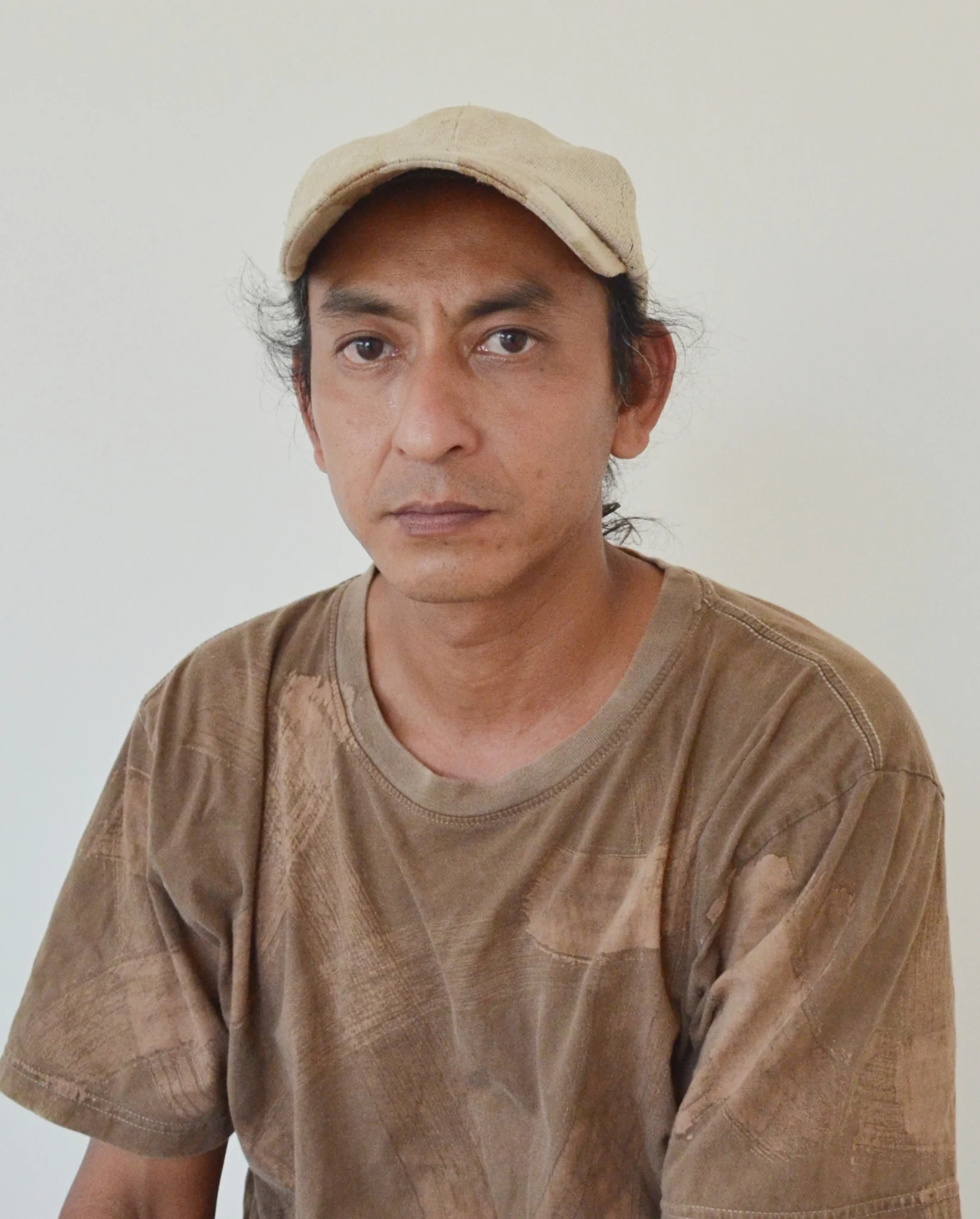
Sirisak Saengow
Chiang Mai, Thailand
artist
Sirisak Saengow, an artist profoundly rooted in Chiang Mai's rich pottery tradition, masterfully transcends the conventional boundaries of his craft. While widely recognized for his exquisite functional ceramic wares, Saengow's artistic journey took a transformative turn during the unprecedented challenges of the COVID-19 pandemic. Faced with the abrupt halt of his usual market sales, he turned inward, transforming his studio from a place of production into a space of introspective creation and profound reflection.
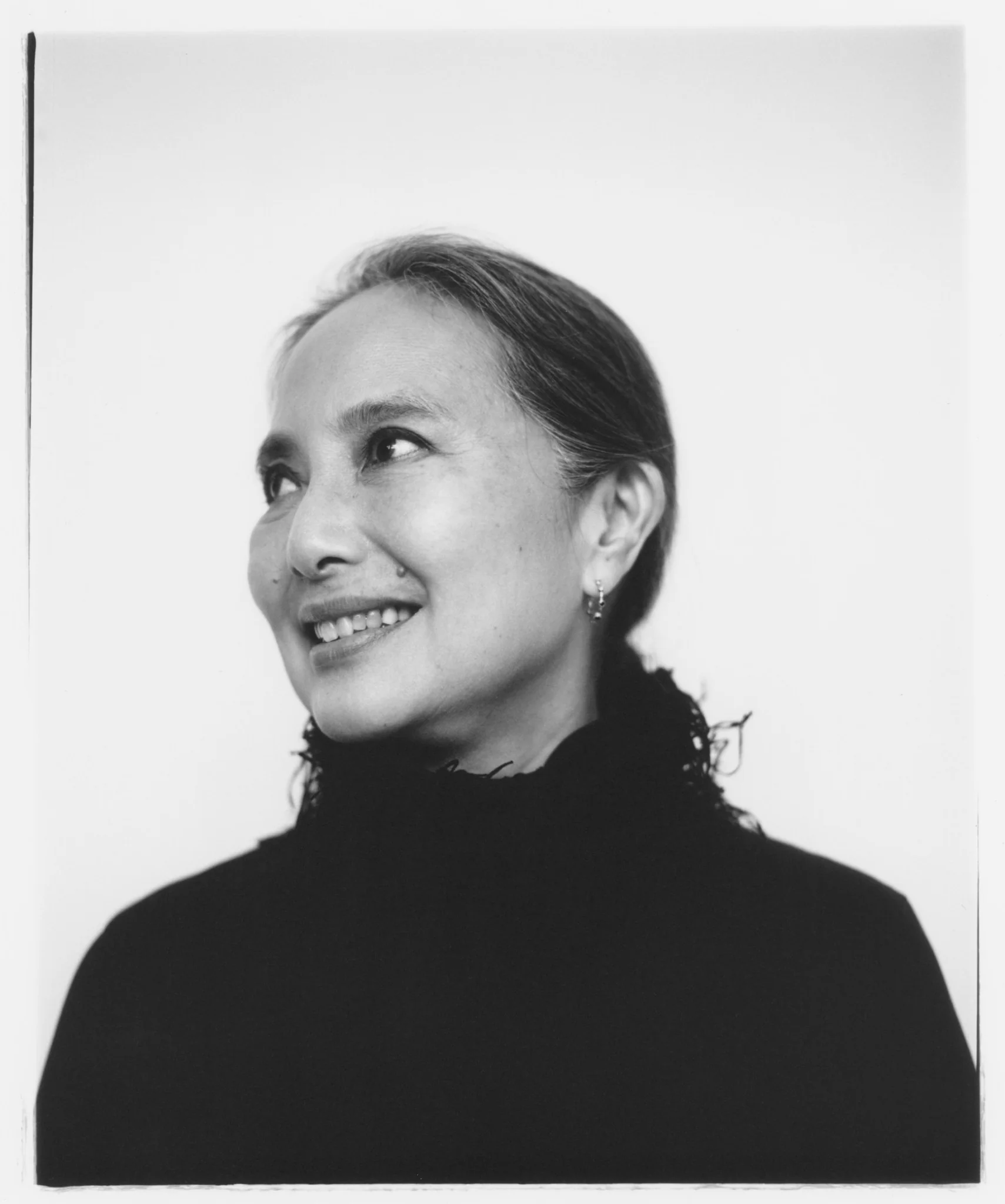
Pinaree Sanpitak
Bangkok, Thailand
artist
Pinaree Sanpitak is one of Asia’s leading contemporary artists, renowned for her exploration and celebration of the femininity through elemental forms such as vessels, breasts, eggs and stupas. Sanpitak challenges the role of gender in Buddhist tradition by centering the female body—particularly the breast, as a form of sacred architecture, drawing parallels between bodily forms and spiritual symbols like the stupa. Through works such as her iconic Breast Stupa series, she reclaims the female form from objectification, imbuing it with spiritual, emotional, and maternal power, developing a unique visual language blending the sacred and the everyday. Working across painting, sculpture, installation, and performance, Sanpitak’s practice is rooted in a deep sensitivity to materials and bodily experience. Her work has been widely exhibited, including at the Bangkok Art Biennale (2023), Venice Biennale (2022), Setouchi Triennale (2019), and 18th Sydney Biennale in 2012.
Photo credit: Lee Wei Swee
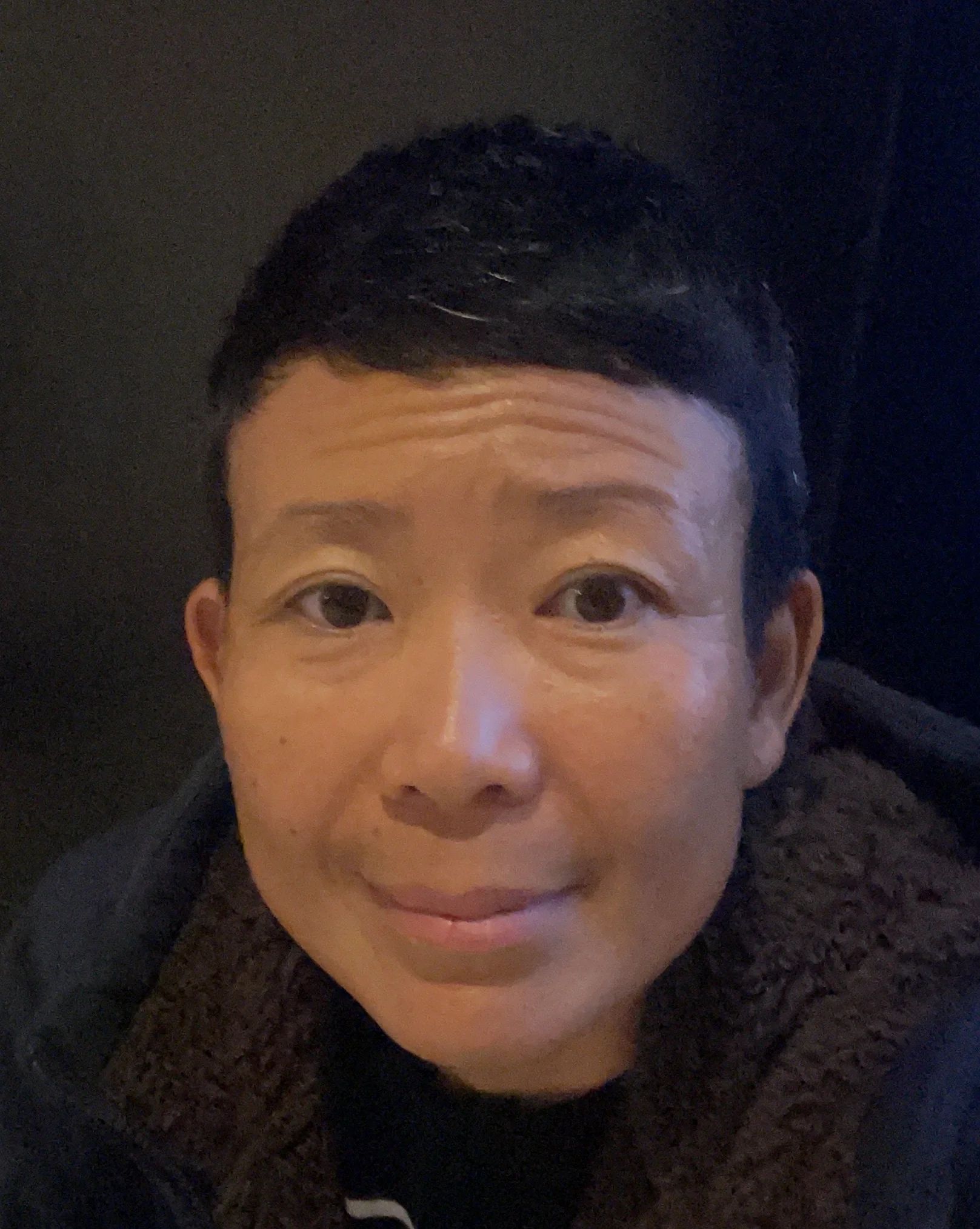
Pim Sudhikam
bangkok, Thailand
artist
Pim Sudhikam, a Bangkok-based artist and ceramicist, explores the intricate relationship between human intervention and natural processes through her clay-based creations. Her work, rooted in the inherent qualities of clay and inspired by industrial forms, reflects on the transformations wrought by time and nature. Her work transcends mere replication, becoming a conduit for exploring the passage of time and the enduring nature of human craft. The vessels, born from the earth of a rapidly changing metropolis, invite viewers to contemplate the interconnectedness of human history and the enduring power of the natural world.
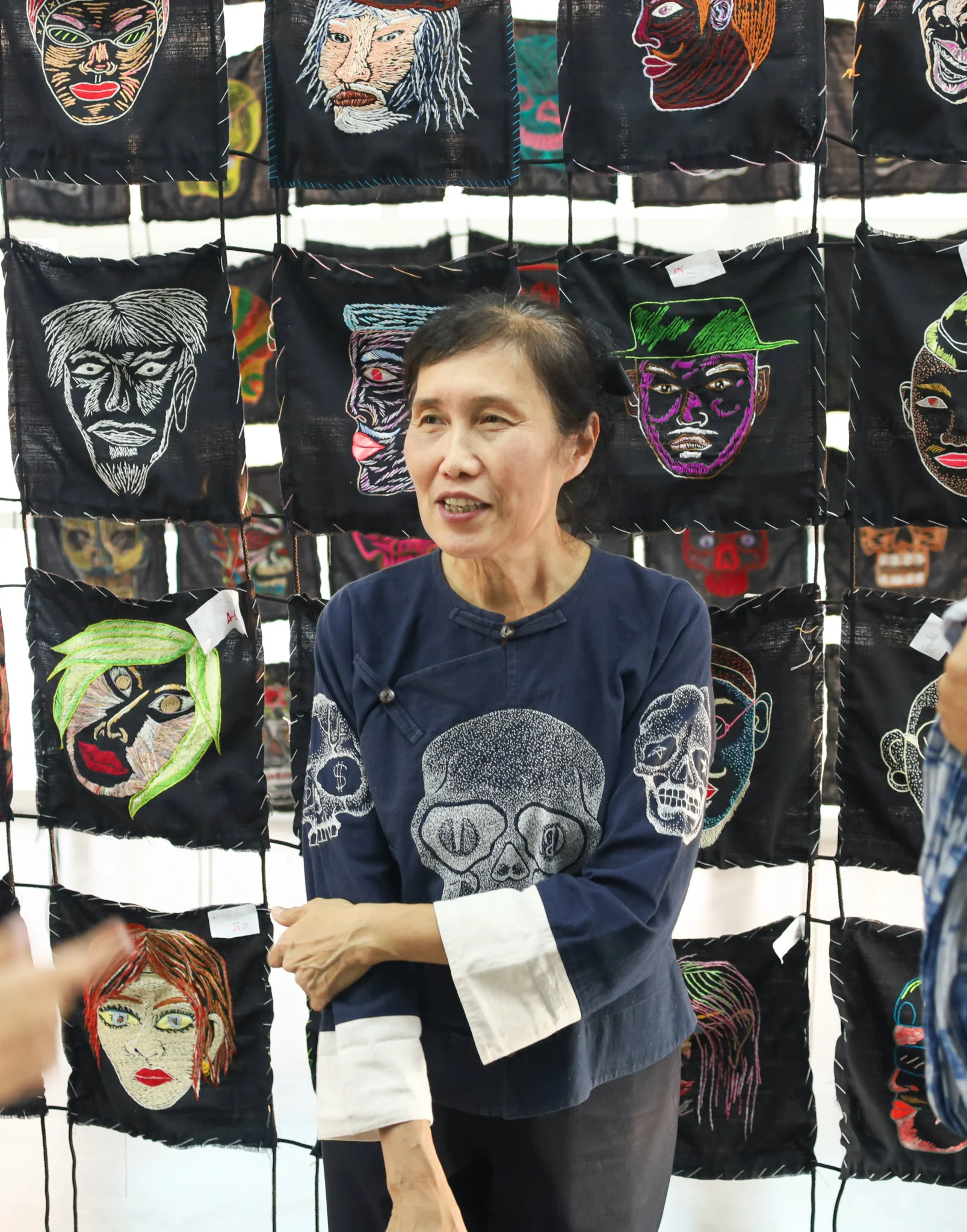
Nithee Suthammaruk
Chiang Rai, Thailand
artist
Nithee Suthammaruk, affectionately known as “Auntie Ni,” is a truly remarkable embroiderer and an inspiring community leader whose profound work transcends traditional artistic boundaries. Return to her roots in Chiang Rai, she established the Ban Sankong Hand-Embroidered Cloth Career Group, a testament to her entrepreneurial spirit and unwavering dedication to her community. Suthammaruk’s exceptional artistry is evident not only in the intricate, meticulously hand-embroidered textiles she creates, but more significantly, in the profound and transformative impact she has on both individuals and the wider community she serves.
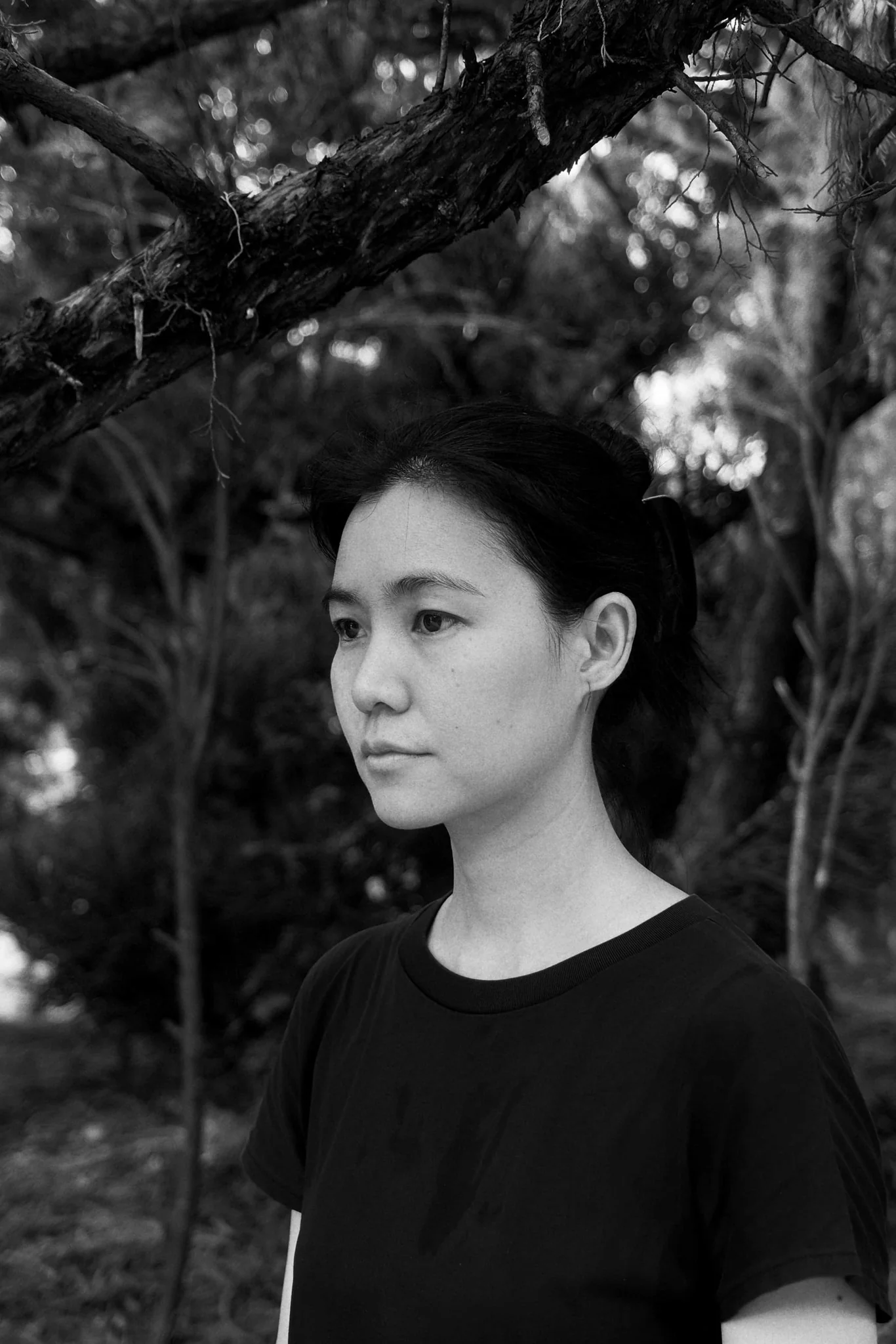
Rudee Tancharoen
Bangkok, Thailand
artist
Rudee Tancharoen is a prominent Bangkok-based contemporary jeweler and the visionary behind Atelier Rudee. She masterfully bridges ancient craft traditions with modern artistic expression. Tancharoen is renowned for her profound fusion of historical techniques and contemporary concepts, often creating immersive installations. Her collaborative spirit, exemplified by working with master artisans, allows her to explore the complex dialogue between past and present. Her work consistently prompts reflection on how we interact with our rich cultural heritage, establishing her as a key voice in contemporary Thai art.
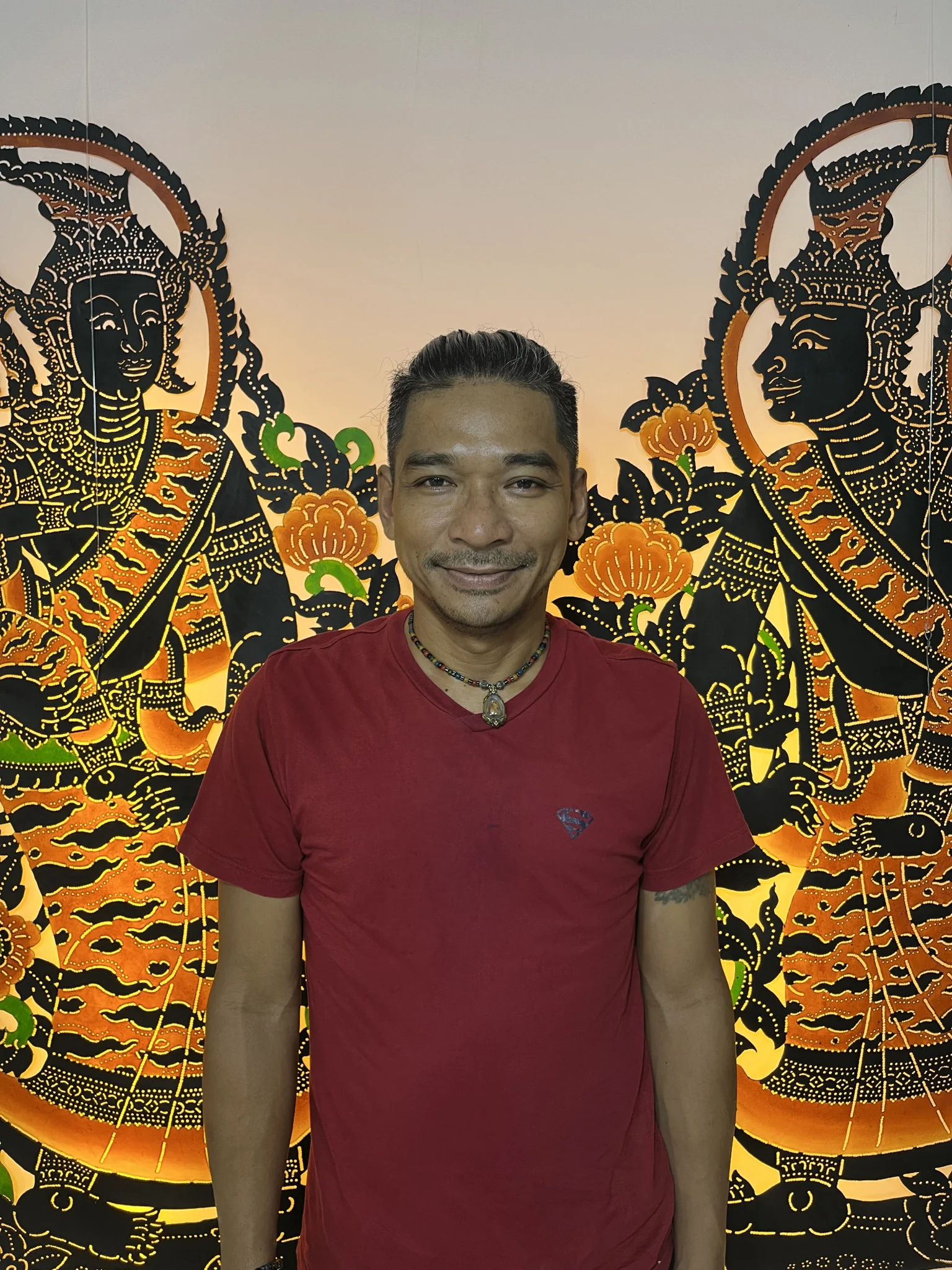
Chalan Thawornnukulphong
Ratchaburi, Thailand
artist
Chalan Thawornnukulphong is a dedicated artist passionately committed to preserving the ancient art of cowhide shadow puppetry at Khanon Temple, Ratchaburi. Learning initially from his father, a revered shadow puppet master, and refining his skills through formal art education, Thawornnukulphong meticulously crafts intricate figures. His work often draws from the Phra Vessantara Jataka, breathing new life into these spiritually significant narratives. Beyond traditional creations, he also dedicates himself to repairing existing puppets and creating innovative contemporary crafts, ensuring the vibrant survival and evolution of this cherished art form for modern audiences.
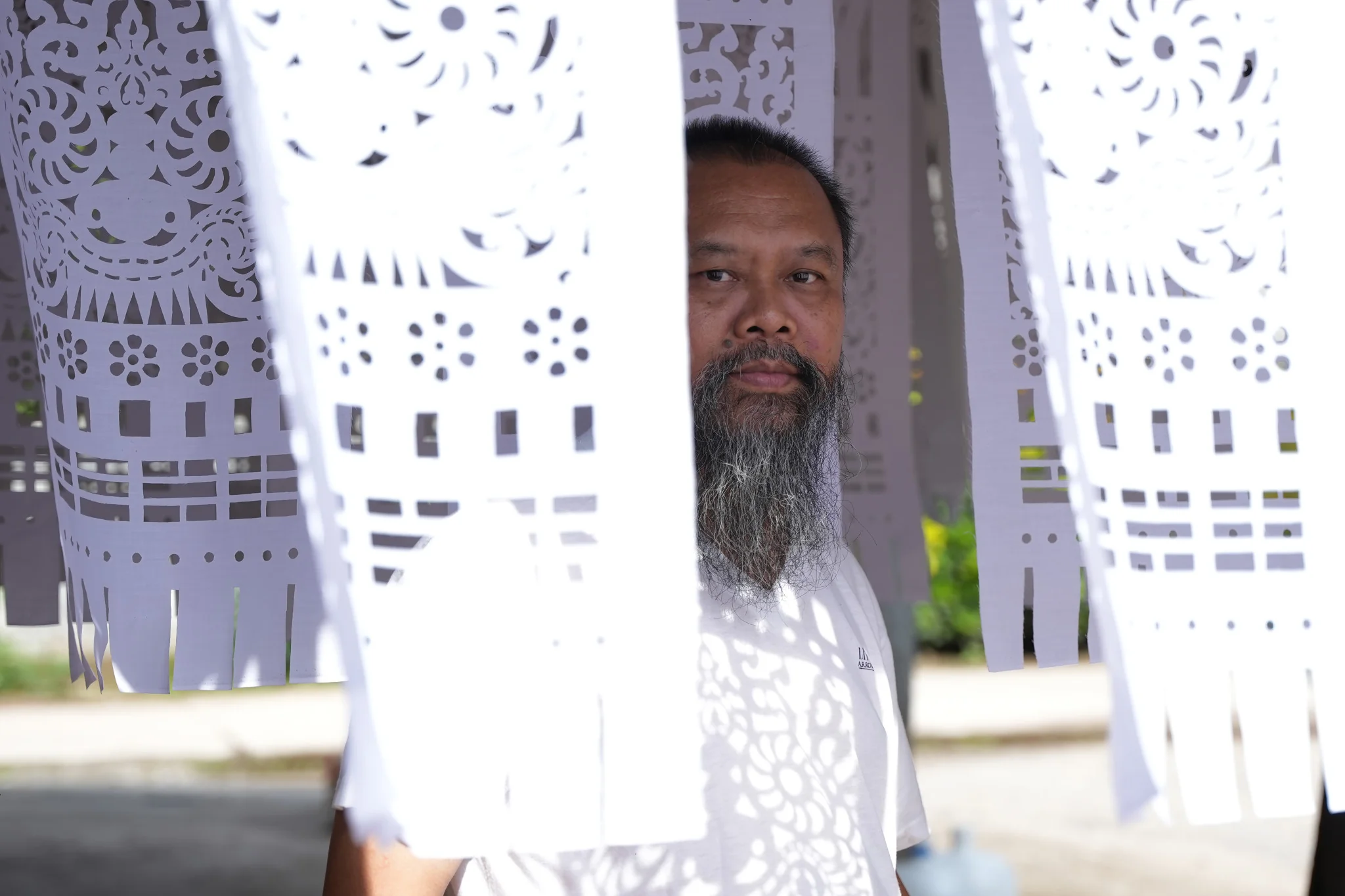
Songdej Thipthong
Chiang Rai, Thailand
aritst
Songdej Thipthong holds a Bachelor's degree from the Faculty of Fine Arts at Rajamangala University of Technology, Pathum Thani, and a Master's degree in Thai Fine Arts from Silpakorn University. He currently resides in Maekhamsobpern, Mae Chan district, Chiang Rai, where he works as an independent artist and also teaches in the Buddhist Arts Program at Mae Fah Luang University.
Songdej is a traditional Thai artist whose paintings, presented in a bright, serene and peaceful ambiance, encapsulate the emotions, feelings, faith, and ideals of Lanna culture deeply intertwined with Buddhism.
For My Teacher, For My Past is Songdej’s recent solo exhibition in 2023 at Singhaklai House, Modchanaphai Foundation, Chiang Rai. Moreover, the artist had has major solo exhibitions as follows: in 2008, Under the Shades of Joy, exhibited at Number 1 Gallery, Bangkok, in 2004, The Inspiration to Come Back, at 9 Art Gallery Architect studio, Chiang Rai and in 2001, Forms of Faith, exhibited at Surapon Gallery, Bangkok.
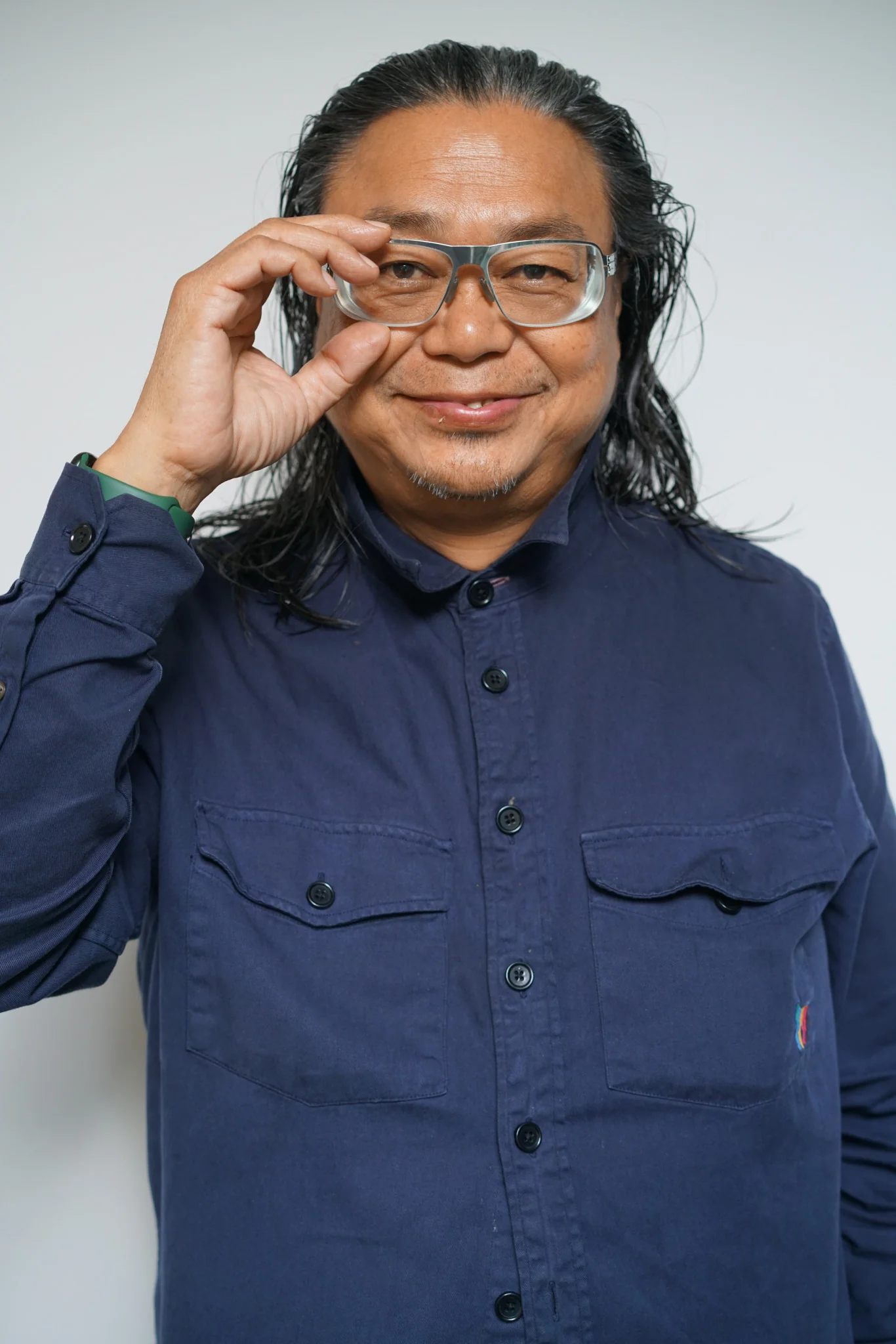
Rirkrit Tiravanija
New York, Berlin and Chiang Mai, Thailand
artist
Rirkrit Tiravanija is a Thai artist who lives between New York, Berlin, and Chiang Mai. He is known for a practice that traverses sculpture, film, installation, public and private performances, teaching, and forms of public service and social action. He has routinely overturned traditional exhibition formats to emphasize social interaction, through the sharing of everyday activities such as cooking, eating and reading. As platforms for these activities, he has designed architectural structures and interventions, presented both in gallery and public spaces. Tiravanija’s ability to create environments that reject the primacy of the art object, instead promoting the bringing of people together through simple acts of communal care and the challenging of expectations around labour and virtuosity, has resulted in his recognition as one of the most influential artists of his generation.
Baeng Sonmai
Nakhon Ratchasima, Thailand
artist
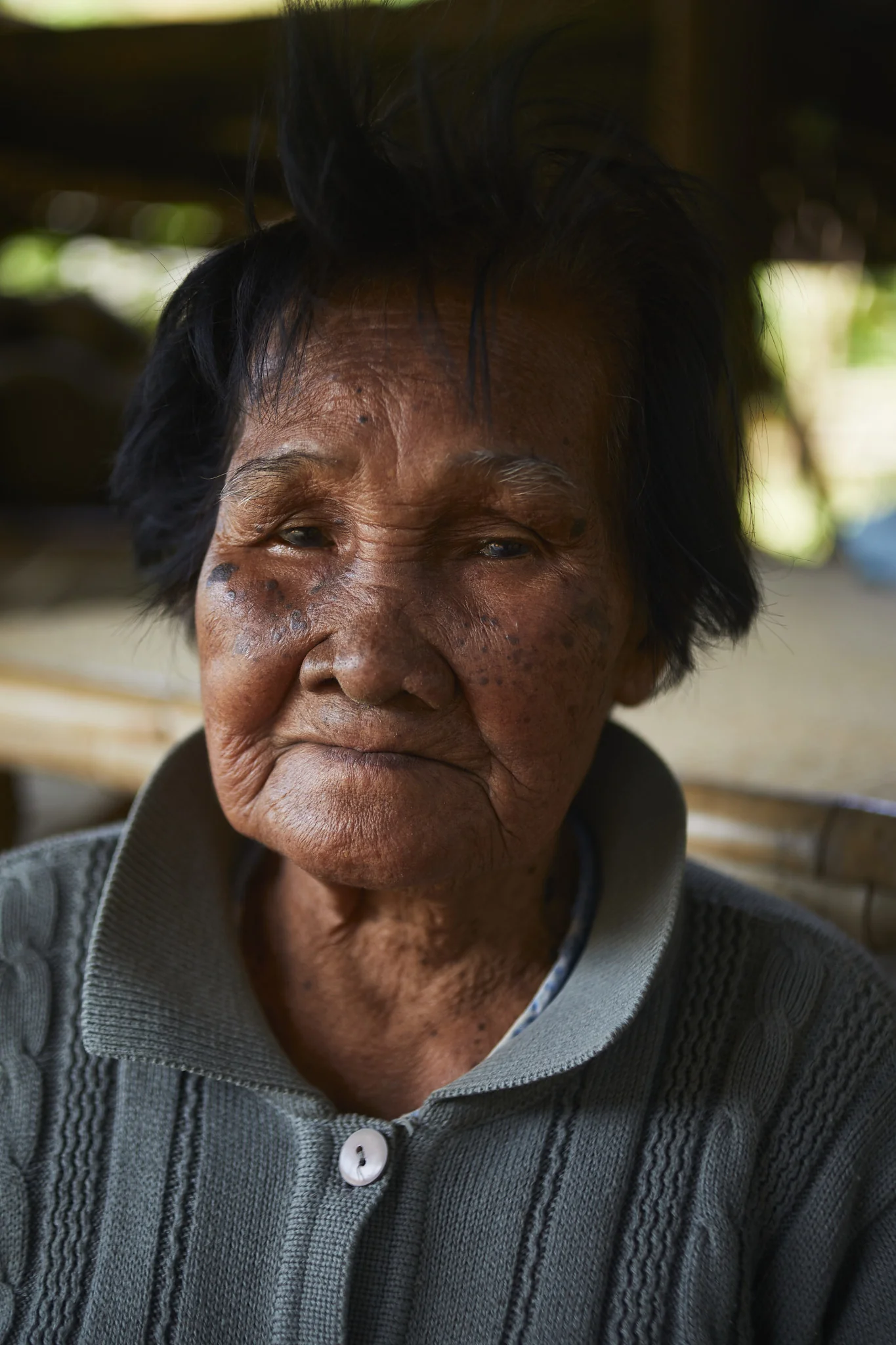
In the heart of Cho Ho village, Nakhon Ratchasima, lives Grandma Bang Sonmai, a 92-year-old potter whose hands have shaped the earth for over eight decades. From the age of 9, she has molded clay into pots using ancestral techniques that are slowly disappearing in the modern world.
Ploenchan Vinyaratn
Bangkok, Thailand
artist
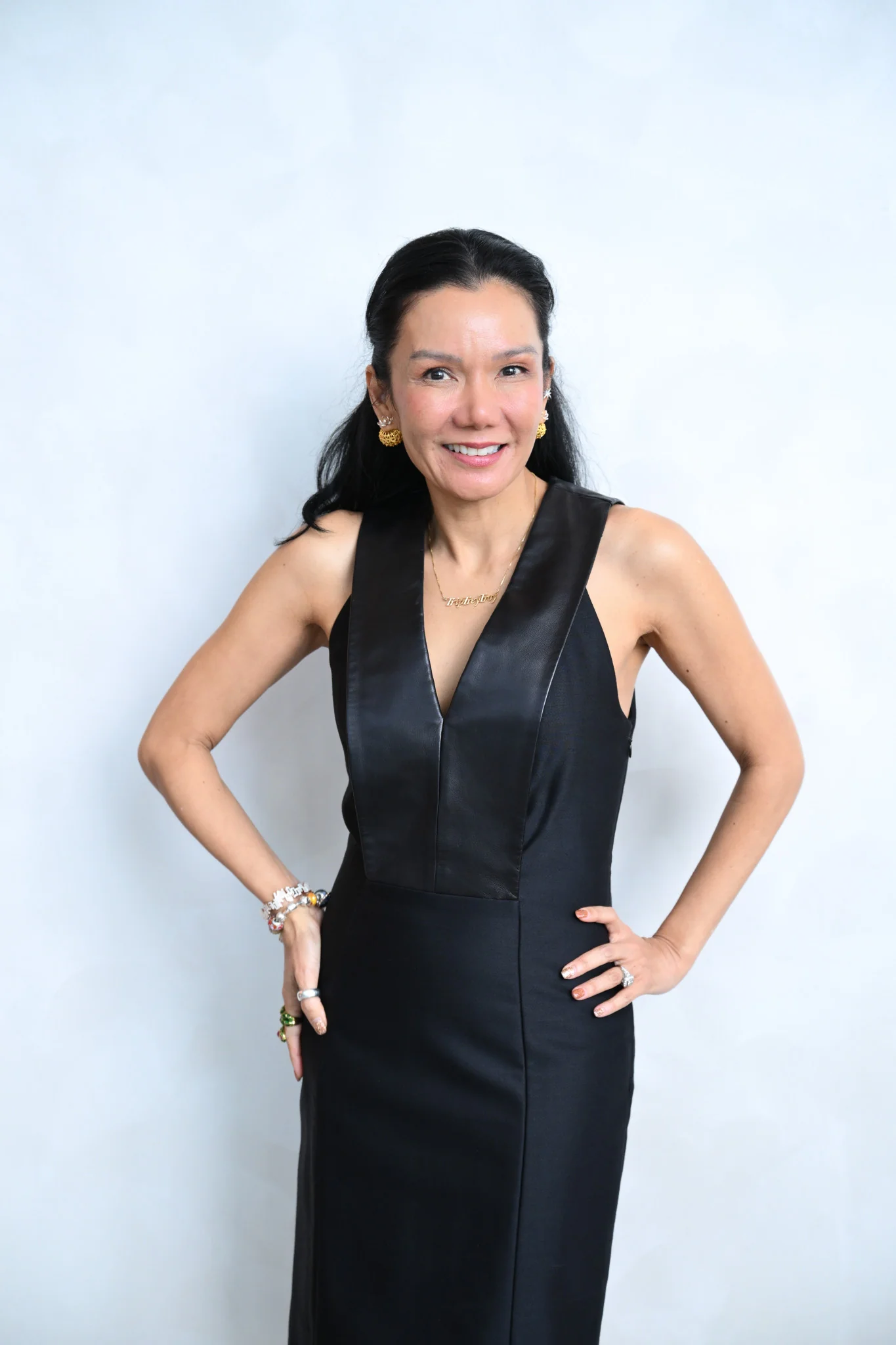
Ploenchan studied Woven Textiles at Central Saint Martins, London, and has since forged an interdisciplinary practice
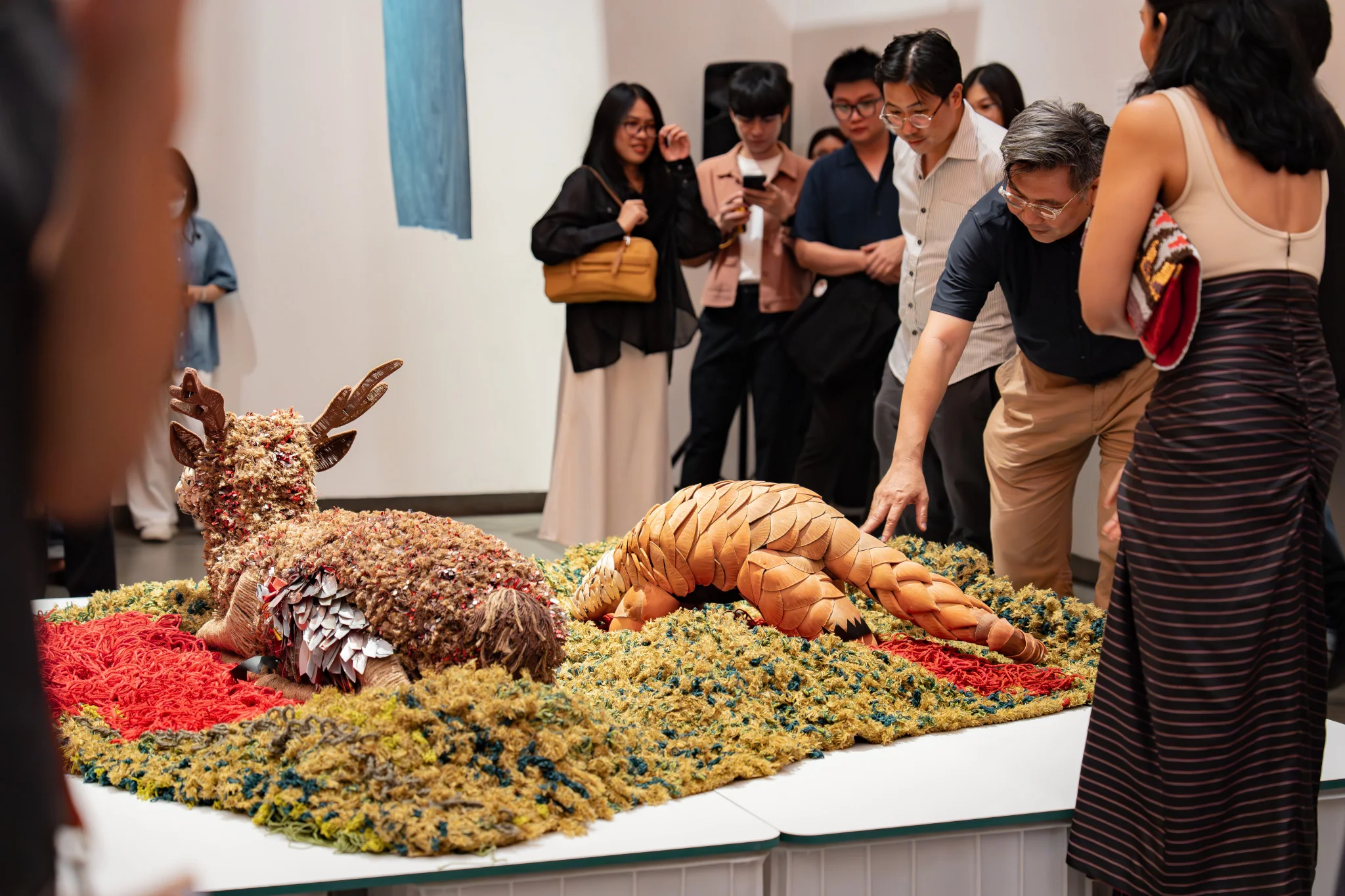
that unites fine art, textile craftsmanship, design and ecological inquiry into a singular visual language. Recognised across Thailand and the Asia-Pacific for her pioneering use of recycled and found materials ranging from aluminium from discarded cans to remaindered yarns to recovered fishing nets and ropes, her work bears the imprint of natural forces, inviting reflection on impermanence, renewal and our shared responsibility to the environment.
Her collection builds on a distinguished career of large-scale installations and gallery-held pieces, each presenting the unpredictable interplay of material
and process. Through the subtle tension inherent between tradition and innovation, Mook’s works convert disruption into aesthetic beauty and urgent narratives, offering a visual meditation on resilience, transformation and ecological interdependence.
Kris Yensudchai
Bangkok, Thailand
artist
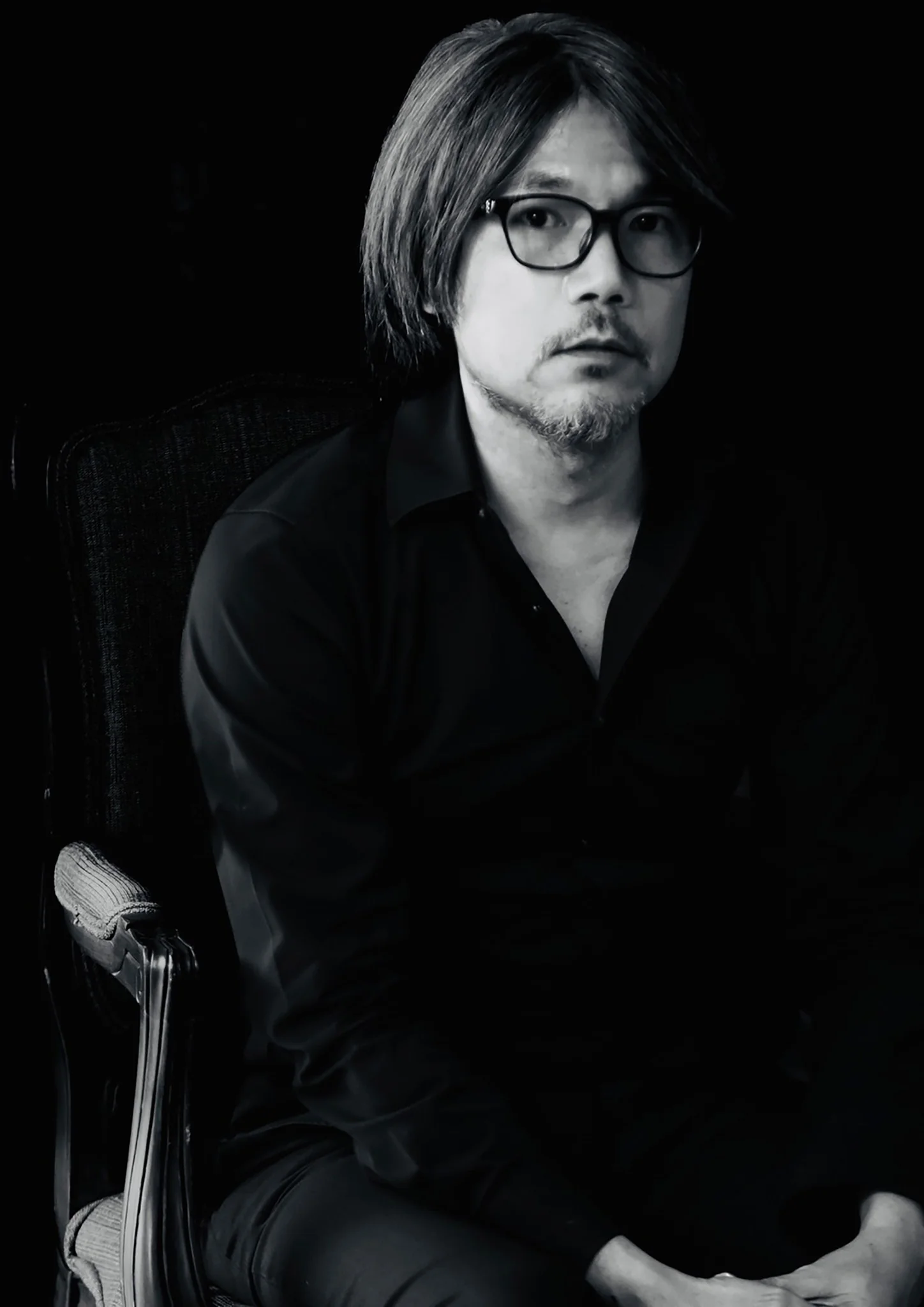
Kris Yensudchai is a Thai designer and researcher celebrated for his visionary approach to textile and material design. He initially studied Interior Architecture in the US before transitioning to fashion in Milan, Italy. During the late 90s, he worked with fashion houses in Milan and Paris. Holding a Doctorate in Fine and Applied Arts from Chulalongkorn University, his practice merges traditional craftsmanship with cutting-edge innovation. As the Creative Director of the DoiTung brand under the Mae Fah Luang Foundation, he has been pivotal in promoting sustainable design, pioneering upcycling methods, and integrating circular economy principles into fashion production.
Yensudchai often draws inspiration from hill tribe textiles, reimagining them through experimental, avant-garde aesthetics. In 2021, he received the Silpathorn Award, and his “RE” campaign—an exploration of sustainable fashion through inventive reuse—earned multiple Good Design Awards, Japan. His work exemplifies how contemporary design can honor cultural heritage while embracing future-forward thinking.
Facilitated by

Supported by